
432 AND ABOVE EME NEWS
February 2026
Volume 55 Number 2
Editor: Barry VE4MA
Production Assistance: Peter G3LTF, Frank NC1I & Bob W1QA
News, Contests and DXpeditions
News
EME Conference 2026
Plans are moving ahead for the conference. For those who have already registered, Rainer is looking for some information regarding your travel arrangements. There is still hotel room space available as well as space for day trips. See DF6NA’s report below.
Project Diana 80th Anniversary
Csaba HG5BMU pointed out that January 10th is the 80th anniversary of the first EME echoes detected by Project Diana. In parallel to the American experiment, Moon echo experiments were also conducted in Hungary under the leadership of Zoltán Bay (Tungsram Ltd), and a few weeks later, on February 6, they were successful. In HG5BMU’s report below you will see details of a recent EME project to recreate the Zoltan Bay experiment.
23 cm Feedhorn work
There has been a lot of work being done by KB2SA and others to improve and reduce the size of feedhorns being used for 23 cm. Bill KB2SA has designed a patch feed that will produce circular polarization without a hybrid or scalar ring. See his report below.
24 GHz “Large Sked” Activity
There was some good 24 GHz Activity in this informal event created by IZ0JNY. There were about 10 stations participating, and more who wanted to operate but had equipment and weather problems.
OZ1LPR worked 9 stations including IK6CAK who was using 2 Watts into a 2.4 m dish!
See the reports of OZ1LPR, IZ0JNY, and PA0JB. There are tentative plans for another activity day in April.
10 GHz Power Amplifier Progress
There is some progress to report on the design and production of a 40 Watt 10 GHz SSPA. See the PA0PLY report below.
Contests
DUBUS-REF
The 13 cm DUBUS-REF CW contest will be on Saturday February 28th and a 13 cm All Mode activity day will be on Sunday March 1st. The rules for the 2026 DUBUS-REF contest are on the website http://www.marsport.org.uk/dubus/EMEContest2026.pdf
Funtests
The dates for the 2026 Funtests are March 1st for 13 cm, and March 28 for 23 cm. A new entry class is being created this year to encourage CW stations to work cross mode with SSB stations. More info is in the December 2025 newsletter: https://eme.radio/432-and-above-newsletter/432-and-above-2025-12 after the station reports
DXpeditions
ZL7 Chatham Island & ZL1 New Zealand
Alex EA8DBM continues his travels with the next destination on the map is Chatham Island. He plans to be active from March 21st to 26th, 2026, as ZL7/LY3UM (QTH loc: AE16rb).
On the morning of March 27th, he will fly back to Auckland and will operate as ZL1/LY3UM for a couple of days.
Check for updates at:https://ea8dbm.substack.com/p/zl7-and-zl-eme-activations-on-the
See the EA8DBM report below.
CY0S Sable Island
CY0S team member Lee, WW2DX, is hard at work on the 23 cm EME equipment for the upcoming CY0S DXpedition planned March 19-30/31, 2026. See the CY0S report below.
T7 San Marino
Adelio IZ2DJP & Walter IW2BNA are planning a DXpedition to T7 San Marino with 13 cm to 24 GHz. The tentative dates are March 20th to 23rd, 2026. See IW2BNA’s report below.
JD1/O (QL17cb)
JP3EXR / JD1BPY Taka and JH3AZC / JD1BPW Kay were preparing to activate JD1YCC again from a cottage on Chichijima-Ogasawara, but due to a family health issue they had to cancel their operations in JD1/O at short notice. They sincerely apologise to everyone who was looking forward to it, and they hope to reschedule it at a later date.
9J2EME
From 28 March 2026 until 1 April 2026, The Ribbetjies EME Team: Bernie ZS4TX, John ZS6JON, Paul ZS6NK and Lins PA3CMC, plans to be active from KH22 in Zambia. Activity is planned on the following bands:
6 m: 8el 6M8GJ
2 m: 2 x 18el 2M18XXX
70 cm: 2 x 28 el 432-9WL
23 cm: 70 el YU1CF
Modes: Q65, JT65 and CW upon request. They will be on HB9Q logger and N0UK logger.
Contributions are welcome via Paypal to
EME Activation of Andorra – C3
ON7EQ Jean-Jacques and EA8DBM Alex are teaming up to be QRV on EME from the Principality of Andorra on 70 cm, 23 cm and 13 cm during the weekend of August 08-09 2026, in collaboration with the ‘Unió de Radiaficionats Andorrans’.
The Call sign is expected to be C37EME operating from locator JN02sk.
During the 2 moon transits, with favourable degradation, declination, and moon at its perigee, they will look out for DX to VK, JA, NA, SA, KH6 …
Confirmation of the plans are to follow in March / April, after which details will be announced … but you can already circle in pencil these dates into the agenda!
For your information, the last known EME activity from C3 on 70 cm was in 2009, and on 23 cm in 2005.
CY0S Lee
Les W2LPL reports that CY0S team member Lee, WW2DX, is hard at work on the 23 cm EME equipment for the upcoming CY0S Sable Island DXpedition planned for March 19-30/31, 2026.
Lee has spent many hours configuring the equipment in a Pelican case. Lee believes this may be the first 23 cm activity from Sable Island and is meticulously testing each piece of equipment. Lee advises the moon will be in a very favourable position during the DXpedition on Sable. He is excited to hopefully provide a new one to many deserving DX’ers!
Check out the photo from one of his tests.
https://www.facebook.com/share/p/16ucbwx8ML/
You can see updates at:
https://www.dx-world.net/cy0s-sable-island-dxpedition-2026/
DC1RDB Robert
My current 23 cm setup again received a couple of improvements since the last report.
I had a new flare SLM printed from aluminum (thanks to LB6B Ingebrigt for the design!). Previously, a home-printed flare with adhesive copper tape applied on the inside was used. Although the copper taped flare was only installed for a few weeks, I already noticed some electro-chemical corrosion in the contact area to the septum feed. Aluminum and copper don't go along well.
As an addition to the new flare, I designed an adjustable S12 disk. The disk is centered inside the flare and it is now easy to peak for maximum isolation between TX and RX port. Furthermore, the cable between PA and septum feed was upgraded to 1/2" Cellflex to minimize loss and for longevity.
Lastly, I installed a lambda/2 fence onto the dish to reduce noise pickup. For the fence, perforated aluminum sheet metal with 0.8 mm thickness and 5 mm holes was used. I chose sheet metal because it is easy to install, it pretty much aligns itself during installation.
With these recent improvements and still only 130 Watts at feed, I am now regularly seeing my own echoes better than -23 dB.
A number of initials could be logged since my last report in December 2025, including some cooker to cooker QSOs:
SM5DGX, PI9RD, ZS5Y, DK3EE, ON5GS, DL6ZG, YO2LAM, LU8ENU, W3TI, VK2JDS, JA6AHB, OK1UGA, OE9ERC, BA7NQ, DF2VJ, I2FAK, IQ2DB, RW9OG, JS6UJS, KN2K, KA1GT (several, including 15A), KG0D, R1NW, SP9VFD, K3SK, N0CTR, DJ7FJ, PH0V, AA4MD, PY2BS, DL1SUZ, OK1KIR, IK7EZN, IK5VLS, IK3COJ, PE1CKK, PA1PS, W2HRO, DJ2DY, SP7EXY, PE1LWT, KD5CHG, AC2AC, HI3/LY3UM, KD5FZX
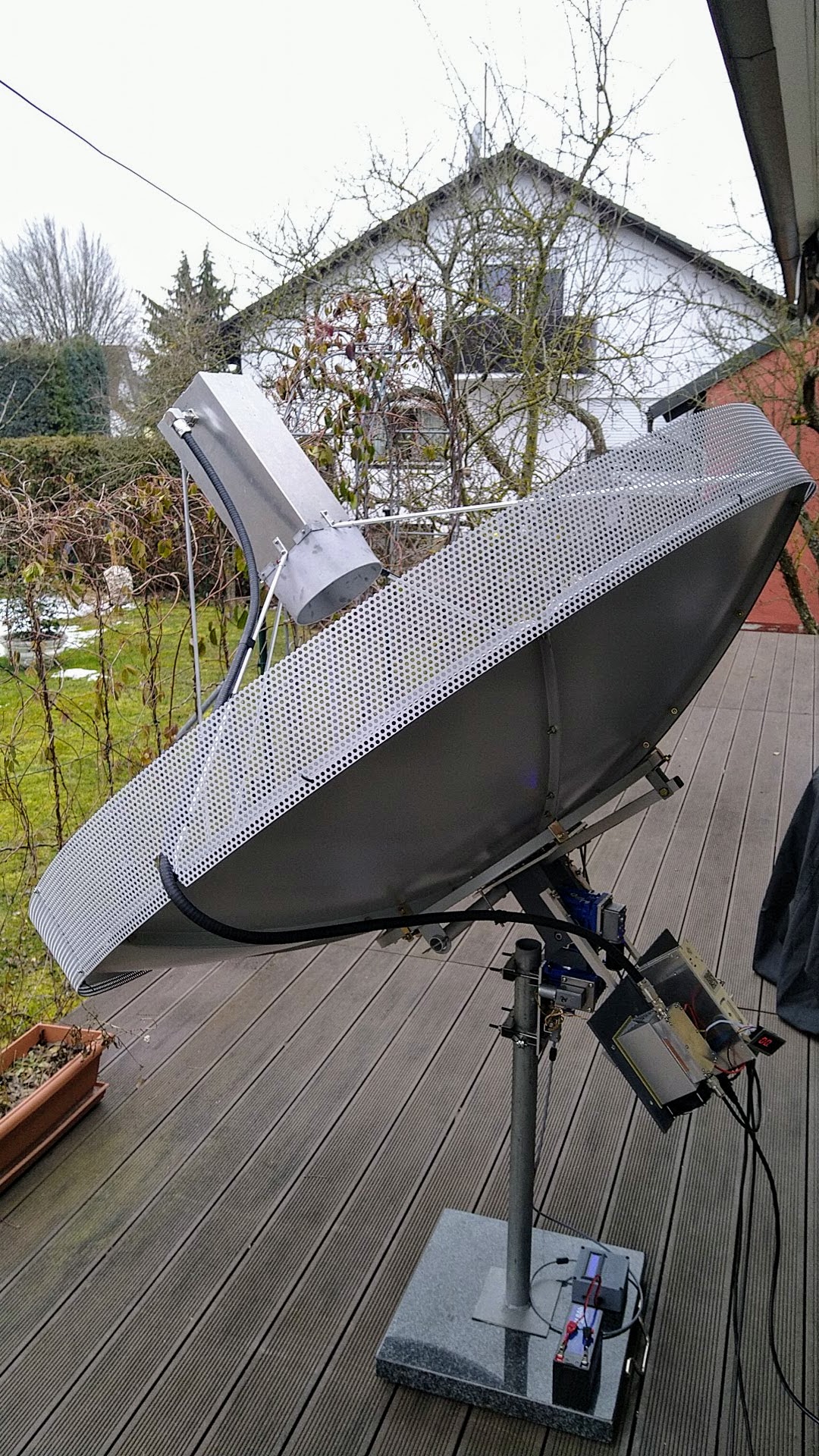 DC1RDB Cooker Dish with new Aluminum Flare and Perimeter Fence
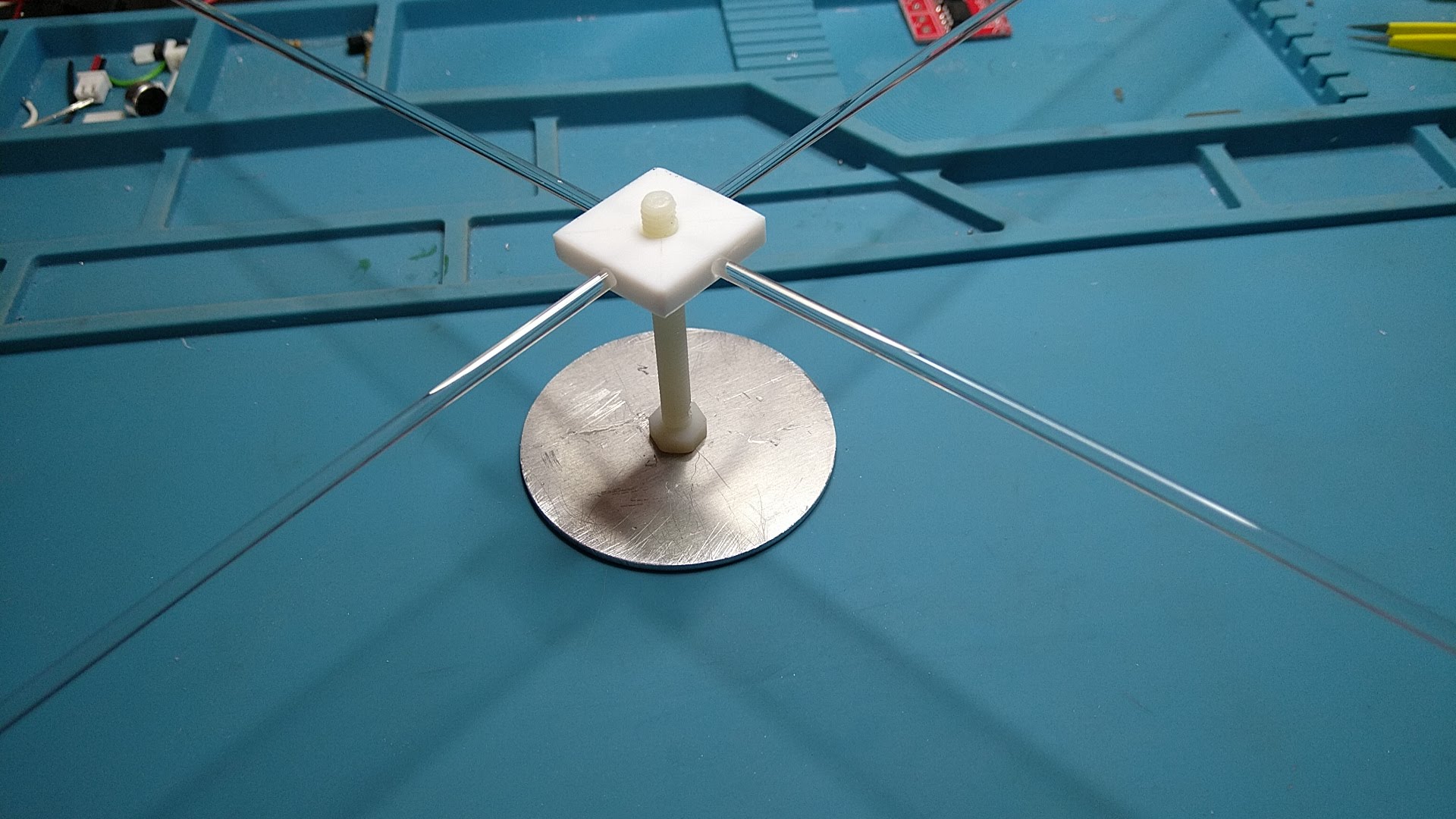 DC1RDB New Adjustable S12 Disk
2026 EME Conference
DF6NA Rainer
Could everyone who takes part at the EME Conference 2026 in May please send me following information:
Flight numbers, date/time of arrival and airport (TFN / TFS), date/time of departure and airport and if you will have a mobile phone with you, the number how I can reach you.
This will help me to plan my time.
The hotel still has a few rooms available until 25 Mar 2026. There is also some space available for the day trips.
There are some new talks on the list: https://eme2026.moonbounce.info/program.html
At the moment we have 55 participants for the conference and 81 for the dinner: https://eme2026.moonbounce.info/register.html
There might be a few more coming yet.
There is one error correction on the page as the business lunch is only for Friday because we have the night dinner on Saturday!
My mobile phone number here is +34 667 44 86 72
See you all in Tenerife !
DL0SHF
DF9CY Christoph
Last October and November I worked 150 QSOs on 23 cm (including about 15 dups) in both legs of the ARRL contest. I was happy with over 30 CW QSOs and that I managed to work so many weak stations. Most of the time the station worked flawlessly. [Ed Note: The station is remotely operated.]
On January, 31st I was back on 23 cm for some hours and worked ES3RF, IK2MMB (55 el Yagi / 20 W), PE1LWT, G4ALH, IZ2DJP, LX/ON4MU (small system), ZS4TX, OZ5TG, GW4ZHI, SP2WRH (38 el), GM0PJD, DK0TE, DK0TE, DL8EBL (70 el), HI/LY3UM (really good), N0LWF. Again I worked a good number of small stations. I wanted to be active at the moonset, but I forgot to switch on my alarm clock.
After having worked the last station I tried some SSB echoes, but the microphone input chain from the computer via the IP connection was not good. Although being strong the echoes were not really good to understand.
For digital modes (Q65-B&C) I am using MSHV, because TRX CAT switching over the IP network with the Flexradio does not work at all with WSJT-X. But on receive it is possible to run the latest WSJT-X version in parallel with MSHV for comparison and I did not see any significant difference in decoding between the two software pieces.
See you all next time.
DV1VPL Thomas
I worked only a few really new 70 cm stations in the last 2 months:
On December 25 I made some new initials: RU4HU, BX4AP, SM7SJR, YO5TP and JJ1NNJ.
At the end of December we had very good tropo conditions in the EU with the best heard for me being the OY6BEC beacon at > 1700 Km on 70 cm.
In January I added W3TI, SP3XBO, WQ5S (1x21 el / no elevation) and CT7ABA (new dxcc).
I tried to work a few stations in the DUBUS-REF CW contest on 432 MHz, but I only found DL9KR and exchanged 559/569. I heard him later even stronger.
The rules are not very helpful for small stations like me. I have no information where and when a station really calls CQ. Especially on 70 cm it would be easier at least to mark the QRG and start time of a CQ call in the chat.
The rules are too restrictive and one can see that in the previous 70 cm DUBUS contest QSO numbers (1st place 13 QSOs)!
EA8DBM Alex
OA7/LY3UM
After some difficult traveling, including being bounced off a flight and having luggage lost, Alex arrived in Peru on 22nd January and started operation on 24th. He then had problems with the OE5JFL controller and lower than normal power (300 W) and had to manually correct elevation every 5 minutes. After aligning the azimuth on DG5CST’s big signal things got going and he made 66 QSOs on the first pass.
On the next pass another 28 QSOs were added and crucially, after moon set he discovered that the dish was badly miss-focused. A temporary fix was made but caused another problem but at least the feed was in the right place. A new Ethernet cable got the power back to 400 W. On the final pass another 24 QSOs were added giving a total of 118 including 3 on CW.
HI3/LY3UM
After another lot of travel problems, this time caused by luggage inspections, he arrived and got set up for moonrise on 29th January and was seeing 8 dB of sun noise, but with the antenna beam slightly skewed off axis. However “The pile-up was fantastic—activity was through the roof” and by moon-set there were 92 QSOs in the log including 2 CW. The final operation on 30th-31st January added another 18 QSOs including 2 more on CW, 110 overall.
There is much more on Substack https://ea8dbm.substack.com/ with some great pictures.
[Ed Note: Thank you again Alex, you’ve provided some wonderful and exciting EME radio for so many of us.]
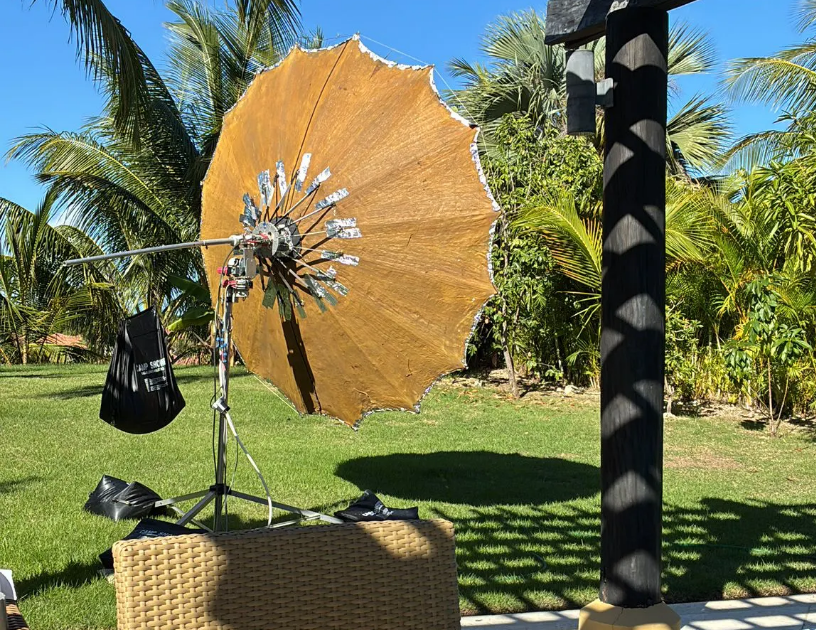 EA8DBM HI3/LY3UM Dish
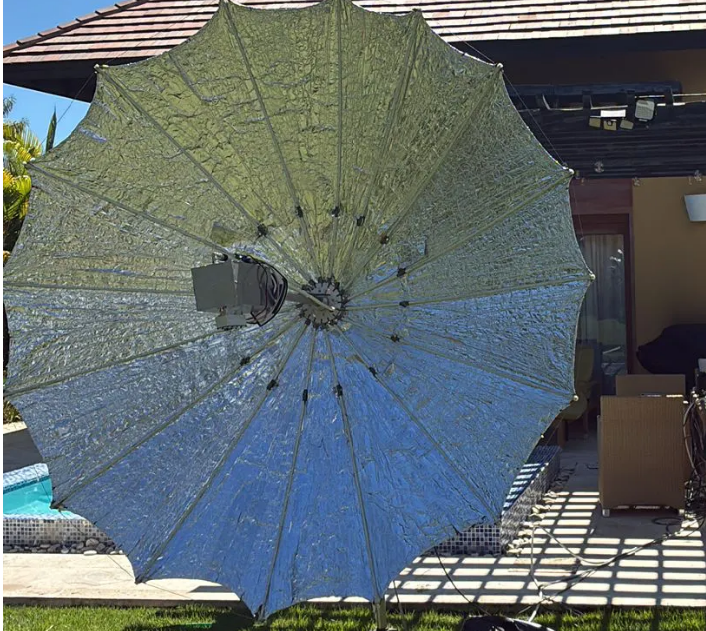 EA8DBM HI3 LY3UM Dish Showing OK1DFC Short Septum Feed
G0JDL John
Since the last newsletter I’ve worked four initials on 70 cm: DK0TE, W3TI, OH3AWW and G4BWP. I run 2x14 el and 200 W at the antenna and my QSO with Hardy, DK0TE, was the first I’ve made with a single Yagi station. Hardy was using 1x21 el and 750 W and gave me a -31 report with my report to him being -28. I really didn’t think it would be possible to work a single Yagi station with my equipment so I was really pleased to make this QSO and I know Hardy was as well. I remember feeling a sense of achievement when I made my first QSO with a 2-Yagi station and certainly didn’t think I’d do any better than that. It also makes me wonder why I have trouble hearing some 4-Yagi stations with good power output that I should, in theory, be easily able to work when conditions are good but have never heard and rarely even see a high DT from.
Fred, G4BWP, is only 76 km (47 miles) from me and although I was hearing him off the moon all the while when he called CQ, he initially had some problems hearing me due to my much stronger tropo and aircraft scatter signal but we eventually completed the QSO with only one repeat from me being needed. I was, of course, also hearing him via tropo and aircraft scatter but it didn’t really cause me any problems. Fred is only the second G station I’ve worked on EME and is also the only EME’er I’ve worked that I’ve actually met in real life (at a rally last year!). There are a couple of other stations closer to me than Fred but they don’t appear to be active at the moment but it definitely would be interesting to see if I could work them.
Faraday rotation, as always, ruined quite a few days but I also had QSOs with DL8DAU, SP2WRH, OM3TRN, NC1I, OZ9AAR, ON7EQ, HB9Q, OH1LRY and VE6TA.
G0OLX Denis
Having moved house just over a year ago and having a much smaller garden I have managed to get the 1.2 metre offset dish back up in the air.
Yesterday I managed to peak the dish on 24 GHz Sun noise for the first time a few dB down from the previous location but also the weather conditions were not great.
I did manage to see a CW signal from OZ1LPR whilst he was working DB6NT. So it would appear that the moon is there but not as strong. Work in progress to find the missing 3 dB sun noise!
G3LTF Peter
On January 26th I was on 1296 MHz CW and worked IZ8GGF #572 and then OA7/LY3UM #573 and DXCC #89. Alex was peaking 549. On the 27th I worked DF3RU and VE6TA, activity was low. On January 30th I was delighted to have another CW QSO with Alex as HI3/LY3UM #574 and DXCC #90. Thanks so much Alex, your CW operation from these DXCCs is really appreciated. This QSO was at 23:44 and my plan was, on the next day, to put the 432 MHz feed in ready for the DUBUS 432 MHz CW contest.
Unfortunately it rained for most of the day and when I did get the feed in the polarisation rotation wouldn’t work. It turned out to be a broken wire, so I fixed that but then found the gears were not meshing properly. By this time I was soaking wet and it’s dark so I took the feed down to repair it on the next day. Unfortunately that meant I missed the NA window which I had planned to work for a couple of hours. Not a good start. I rebuilt the gearbox and got on when the moon cleared the trees at 16:45 and worked OH1LRY, JJ1NNJ, UA3PTW (589) and PA3DZL.
After dinner I hung around calling CQ until 23:45 but no more QSOs. There was very little Faraday present on my echoes. The (fully random) QSO with JJ1NNJ was exciting, he was only running 50 W and he was coming in 90 degrees off my TX polarisation. I got a JJ and then an NN and then the brain clicked in!
I have been measuring the TX-RX port isolation (S12) on my SM6FHZ Kumar Septum feed on 23 cm. The feed alone is 30 dB, exactly as Ingolf’s simulation predicts. In the dish it is still 30 dB even though theory predicts about 20 dB. I believe the reason is that my dish profile has a non-parabolic error which would de-focus the reflection back to the feed.
Finally, I have the suggestion that we 432 MHz CW enthusiasts (who love the unique challenges of that band) should find a day or weekend in the summer to have a “QSO party”, just enjoy a QSO. I’m having difficulty finding a slot so let me have your suggestions. g3ltf AT btinternet.com
G3YEG Nic
With the continuing very wet weather in January and February across the UK I didn't manage any new decodes. From this years’ experience I am very confident that soaked roof tiles cost me 3 dB and simultaneous heavy rain and clouds a further 3 dB in my overall decode performance. However I did manage to see a couple of improved decodes from Martin PJ4MM -27 dB and Michal OM3TRN -22 dB.
On 5 consecutive days in late January with very variable rainy weather I had easy QSOs with Frank NC1I using the 9 element at high elevations. After each QSO we again tried to find the minimum power that I need to have a QSO. With just 5 watts at the antenna feed Frank saw some sparkles on a couple of occasions but no sign of a good DT. It was notable that Frank was seeing quite large variations, around 6 dB, in my decode level during the 5 QSOs we did achieve.
In mid-February I carried out some further investigations with Frank with the 9 element antenna at a much lower elevation than normal. Unusually Frank saw absolutely nothing from me with this position. The antenna is at 38 degrees elevation and the roof is 35 deg. I also noted that my decodes of Frank were much reduced from normal and I was decoding OM3TRN some 9 dB down on John G0JDL and I normally decode stations within a couple of dB of John's quite similar set up.
The next afternoon we tried again with the antenna in a slightly different position and achieved our 56th QSO without any issues at all with plenty of headroom available. This was the revised position with the antenna at 45 degree elevation, it iis hanging from exactly the same nail in the rafter!
The difference in my signal with Frank was in excess of 6 dB between the two very similar positions. There is clearly a big influence on the performance from the proximity of the roof on the right hand side which was quite wet and is around half a wavelength away from the antenna.
The next day in another slightly revised position with a soaked roof and heavy rain we had our 57th QSO.
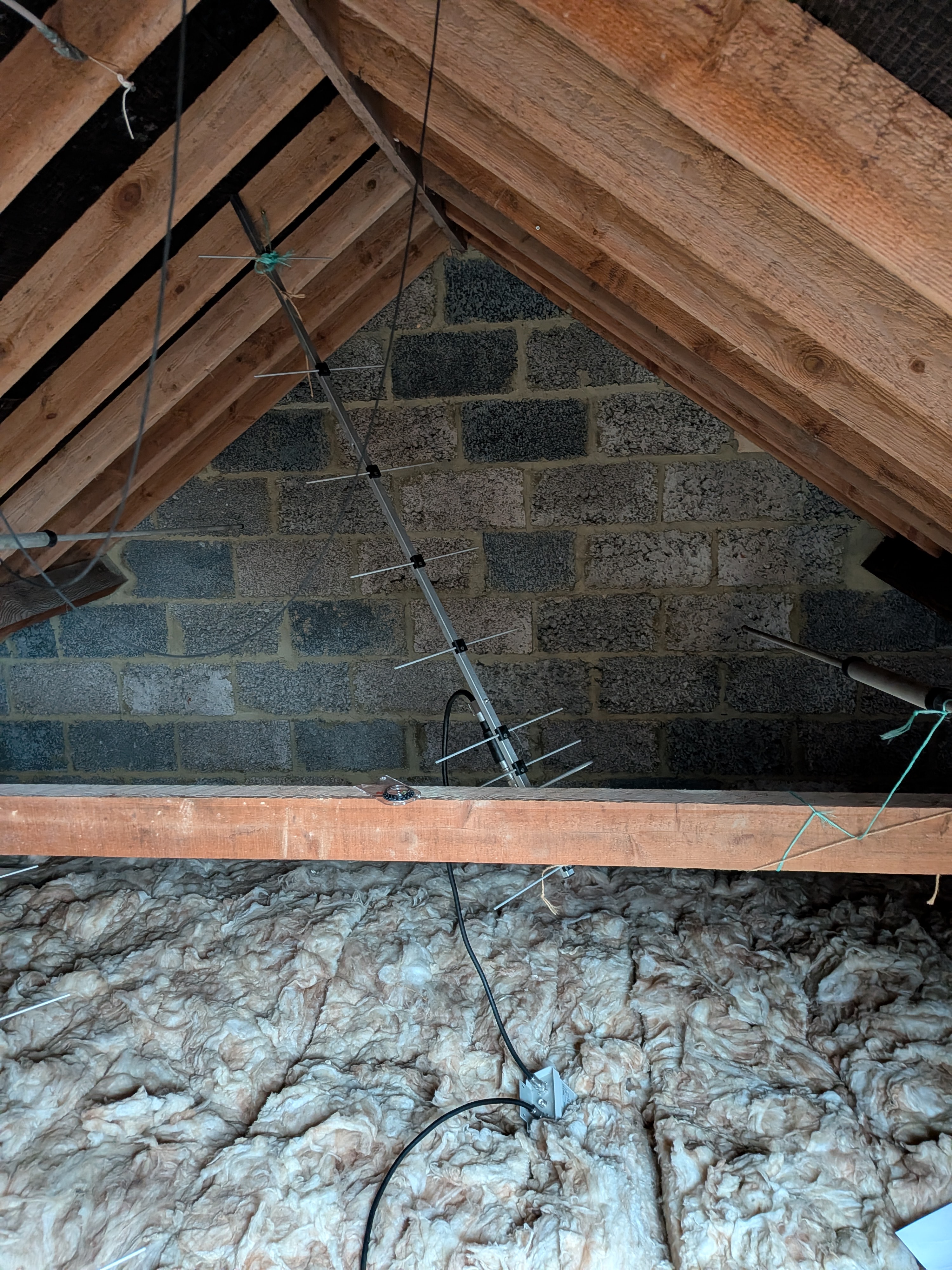 G3YEG 9 Element at 38 Deg Elevation
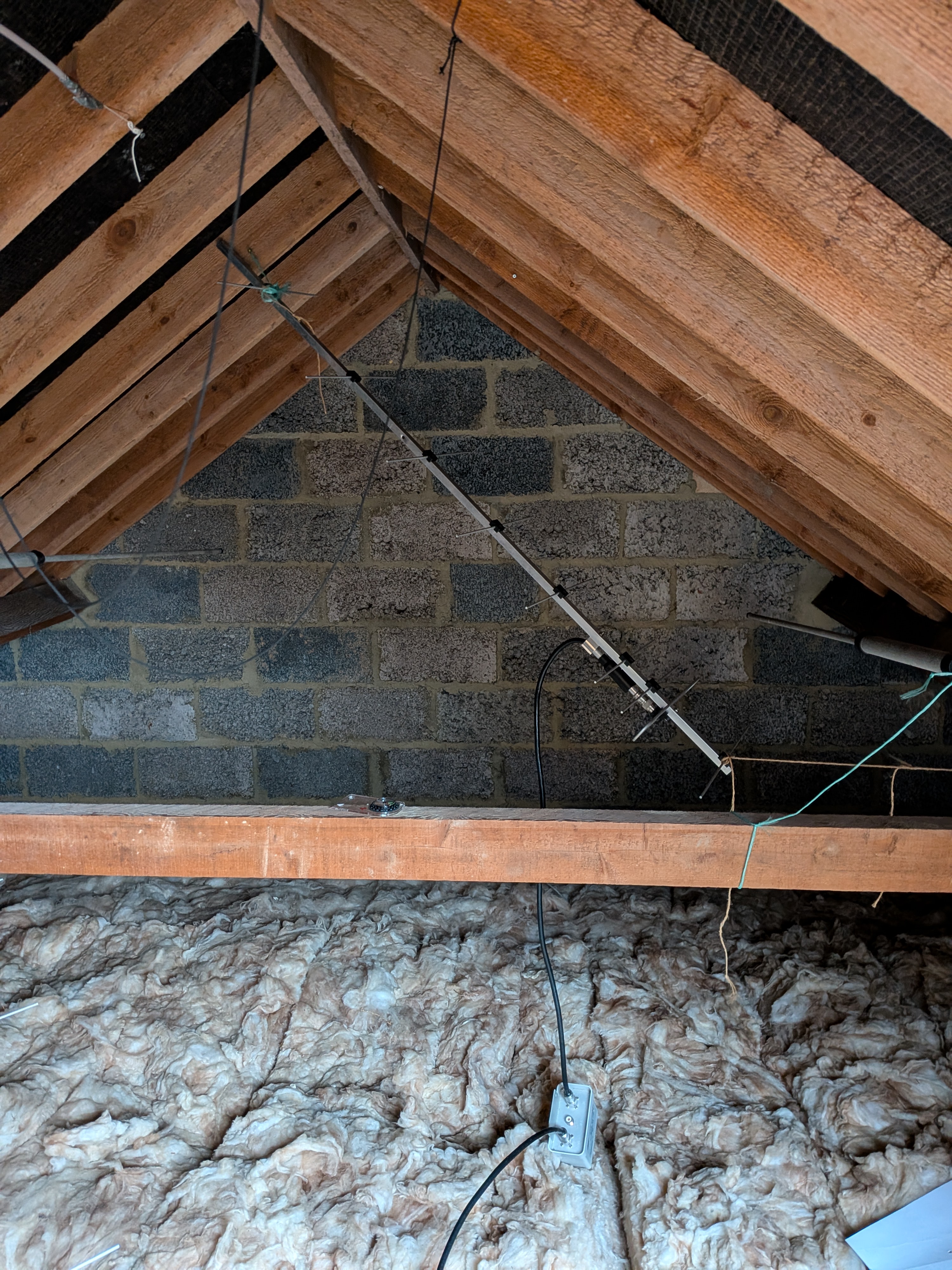 G3YEG Slightly Revised Position with Much Better Results
G4CCH Howard
Not much activity since the last newsletter. Highlights were working Alex in OA7 and HI3 on digi and CW. All contacts were 23 cm
26 Jan - OA7/LY3UM 539/539 CW Initial #587 and DXCC #089
29 Jan - HI3/LY3UM (D) -12/R18 digi Initial #716 and digi DXCC #141, KG0D -11/R-16 (D), DL6ZG R-03/-05 (DD) digi Initial #717, HI3/LY3UM 539/549 CW Initial #588 and CW DXCC #090
30 Jan - IK2DDR 589/589, LA3PNA O/RO CW Initial #589
31 Jan - LX/ON4MU -11/R-13 (D) and IZ2DJP -14/R-18 (D) digi Initial #718
19 Feb - W4VJ -10/R-10 (D) digi Initial #719
21 Feb - VE4SA -10/R-08 (D) digi Initial #720. I later discovered my AZ was off by about a degree. Shawn improved to -05!
I will be on next weekend for the 13 cm leg of the DUBUS-REF Contest. I am hoping some JAs will be on so I can see if my new 2400 MHz filter works.
HG5BMU Csaba
On the occasion of the 80th anniversary of the Hungarian Zoltán Bay lunar radar experiment, an enthusiastic team from the Cosmos group of the BME (Budapest University of Technology) gathered.
As a result of the developments that took place in the previous weeks, we compiled some lunar radar measurement methods. The original 10-time division gas coulometer was replaced by a more modern microcomputer measurement data collector operating on the same principle.
After the radio receiver, the signals were received by a 100 Hz audio frequency filter, a detector built with AD8307 and the A/D input of a "Micromite" microcomputer, the measurement periods were summed up in 50 ms steps, and displayed with 64 samples by averaging. Test CW and short Barker encoded signals were transmitted. [Ed note see https://en.wikipedia.org/wiki/Barker_code]
The encoded signals were also analyzed by computer data processing, which also provided distance measurement data.
The picture shows the averaged impulse of the received echo and the team from left to right are the Kozmosz students, and mentors Bertalan HA6QU and Csaba HG5BMU.
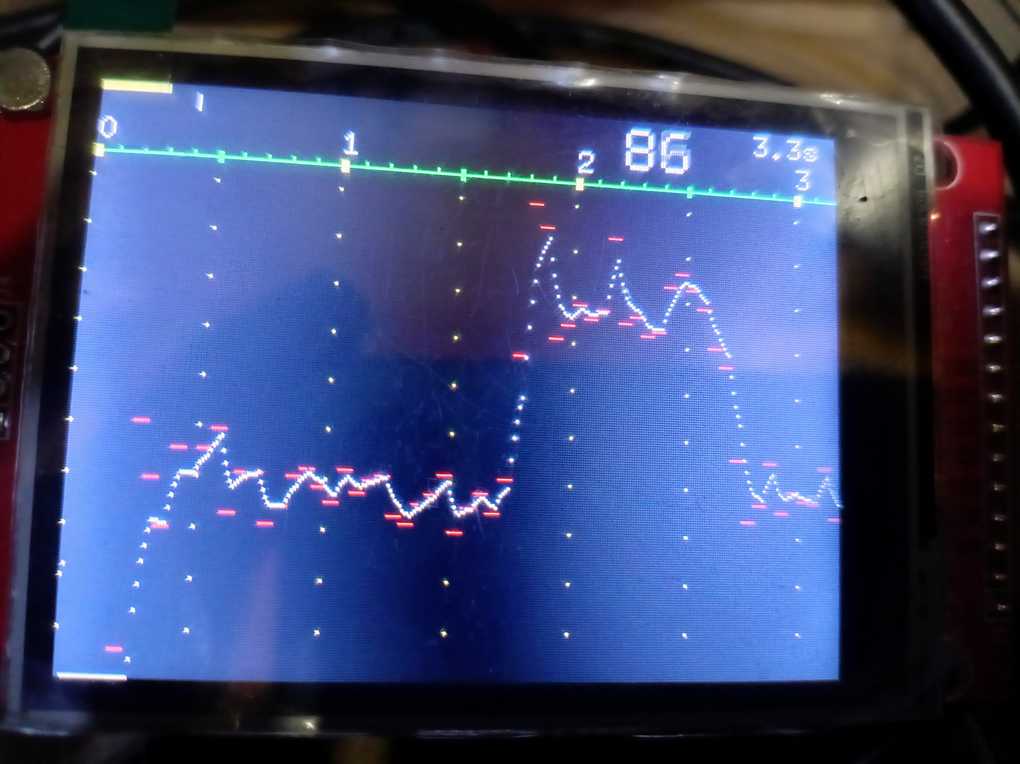 HG5BMU Averaged Impulse of the Received Echo
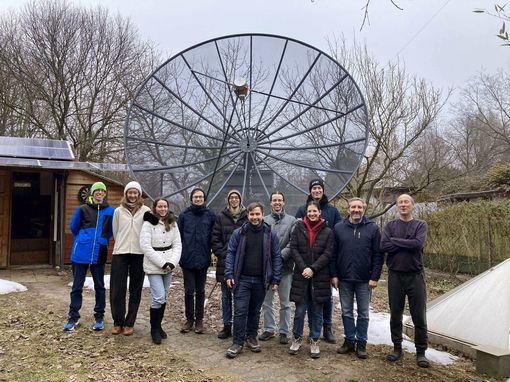 HG5BMU Cosmos group of the Budapest University of Technology
IW2BNA Walter
I want to inform you that Adelio IZ2DJP and I are planning a mini-expedition / activation to quite an interesting country. We are planning to activate via EME T7 San Marino from 13 cm to 24 GHz if we get approval.
The dates and days of activity will be around March 20 to 23, 2026 and will depend on if we can find a good site (we have to look when we arrive). Now we are waiting for documents from the San Marino government office.
Because March 21/22 is the date of the 5.7 GHz DUBUS-REF contest and PA0PLY activity day, I think that we can start with some time on 6 cm, and then switch to 3 cm which will be the main band for us. We will spend almost one complete moon pass on 10 GHz (March 22) and then we will be on 13 cm (March 23-24).
For 24 GHz we use the HB9Q Logger to arrange schedules and dedicate some time in one pass.
All this is a "work in progress" hi! The station will use Adelio’s 1.8 m prime focus dish with our usual transverters.
IZ0JNY Ivan
On 21st February, after launching the idea on the Moon-Net mailing list, I took the initiative to promote a wide sked for 24 GHz EME. The proposal was well received, even though late February was probably a somewhat optimistic choice in terms of weather conditions.
Around ten stations populated the HB9Q logger trying to make some QSOs. There were stations active both in TX and RX (PA0BAT, PE1CKK, OZ1LPR, IZ0JNY, PA0MHE, LZ4OC, IZ2DJP, PA7JB, DB6NT, IW2BNA), as well as others who joined mainly in RX to give it a try (G0OLX, IK3GHY, and others — apologies if I missed anyone).
Unfortunately, the weather conditions were not very favourable. On my side, humidity was above 90% with partially cloudy skies, but it was still a very enjoyable activity. I managed to complete three QSOs: one on 20 February with Gerard PA0BAT, and two on 21 February with Peter OZ1LPR and again with Gerard PA0BAT. I also decoded John PA7JB, for one transmission, but unfortunately we were not able to complete the QSO.
Activity continued on the following day, the 22nd, although I could not participate on that occasion.
In any case, given the enthusiastic participation of several stations, I will propose this “wide” sked again later on, perhaps for the next perigee or the one after, when the weather will certainly be more favourable. I would like to thank everyone who accepted this invitation and spent time enjoying it.
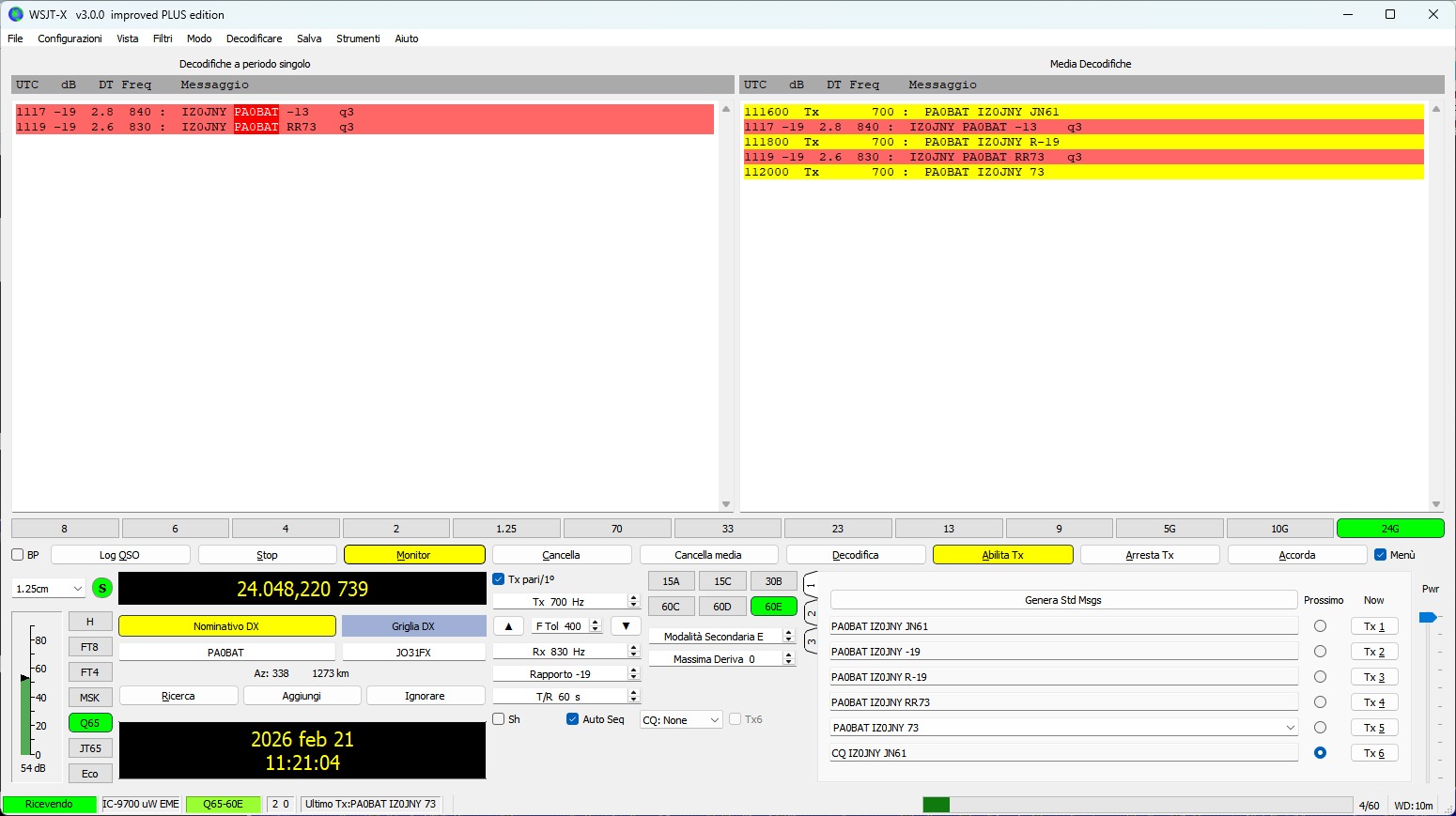 IZ0JNY PA0BAT QSO
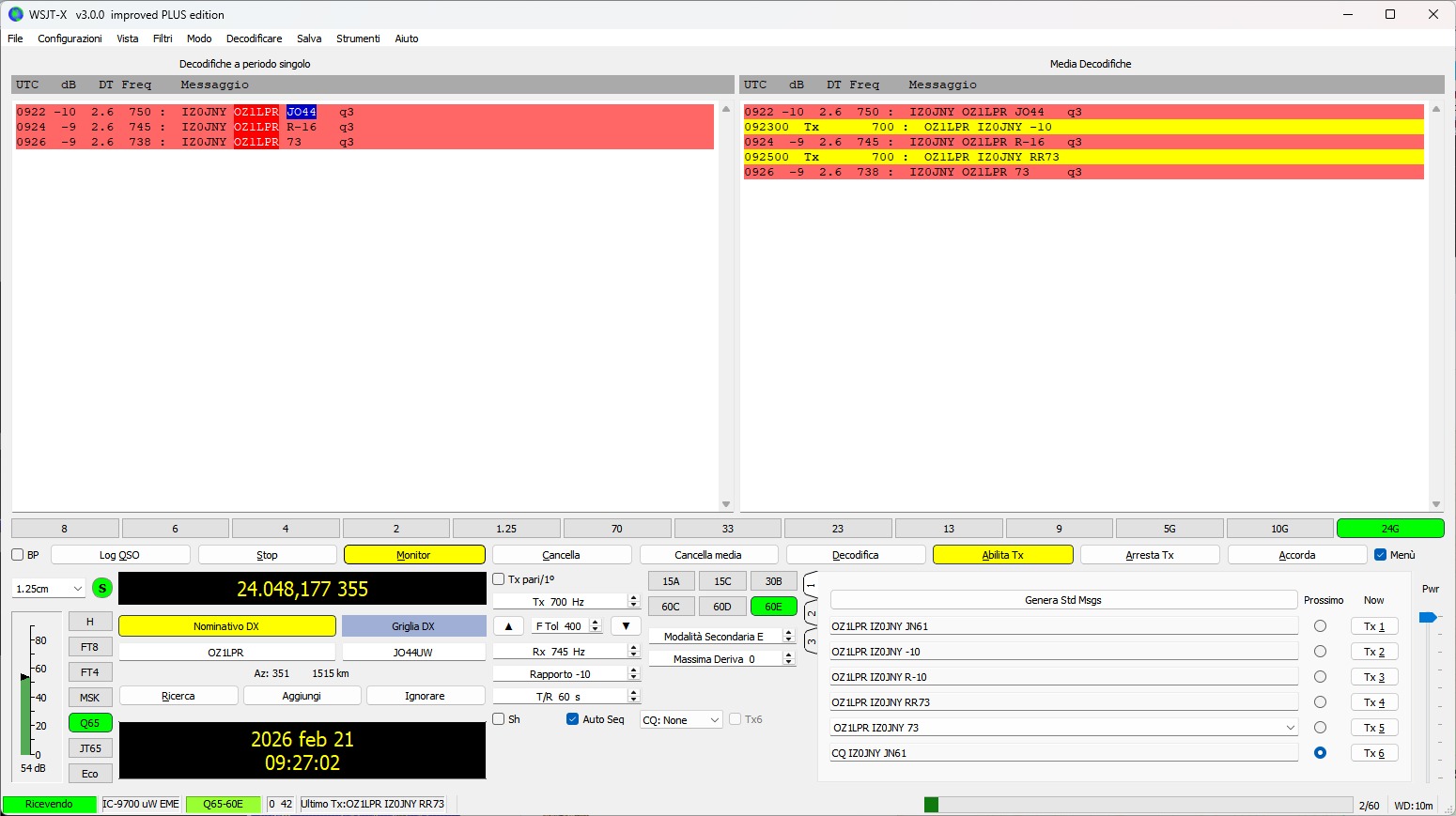 IZ0JNY OZ1LPR QSO
KB2SA Bill
At the 2026 EME conference, I will be sponsoring a banquet prize. This prize will be related to my presentation "Compact 1.0 m Antenna for 23 cm EME". Unfortunately I will be attending remotely due to a scheduling conflict.
In addition, I have published a new paper for an optimal 23 cm "Superleggera 450" feed for f/D = 0.5. You may read this paper at https://groups.io/g/Moon-Net/files/Antennas,%20Dishes%20&%20Feeds/KB2SA_3m_p5_Article_011226.pdf
You may also follow an interesting conversation regarding a new 23 cm "Superleggera 350" feed for f/D = 0.4 on Moon-Net at https://groups.io/g/MoonNet/topic/feedhorn_for_23cm_eme_om6aa/117172939. This design will be summarized in a future paper.
I am looking for someone to create this new "Superpatch" feed for 23 cm. This super-compact feed uses Printed Circuit Boards and a Beam Forming Ring and can produce right and left-hand circular polarization without a hybrid. More detail is available on Moon-Net at https://groups.io/g/Moon-Net/topic/new_printable_superpatch/117609900.
Finally, my new 23 cm 1.0 m dish antenna will be published in DUBUS 1/2026. This very compact antenna uses a Superleggera 350 feed for f/D = 0.35 with a new cross dipole to help shape the beam without a choke obstruction. Sun noise is 7 dB @ SFU 142.
Recent QSOs with the 1.0 m with Superleggera 350 on February 19 through 22 (Dgrd -0.7) include: NC1I (-7, -6), KD5FZX (-10, -8), F1RJ (-20, -14), N5TM (-18, -18), IZ8GGF (-18, -12), SM5DGX (-13, -8), K4VJ (-23, -18), KD5CHG (-19, -17), K3SK (-21, -23), NY1V (-24, -24), and KG0D (-25, -21).
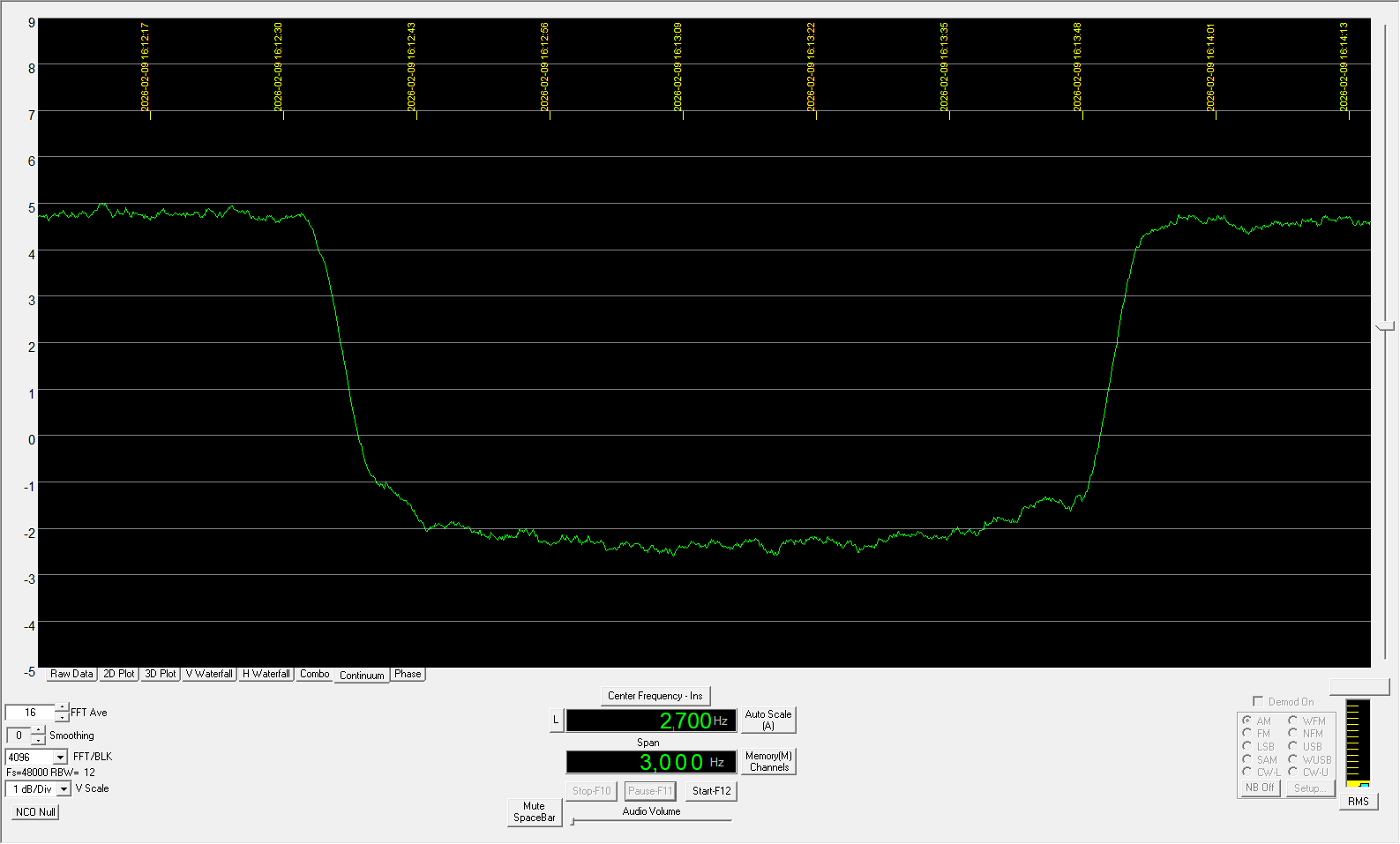 KB2SA Sun Noise With 1 m Dish on 23 cm
KB7Q Gene
I got on 23 cm EME February 20th keeping Montana active and worked several of the usual suspects using Q65-30B.
Logged were G0LBK (-19/-16), F1RJ (-21/-17), PH0V (-23/-23), RA4HL (-12/-14), ES3RF (-21/-17), OK1USW (-18/-18), K3SK (-21/-20), KA6U (-21/-24), and DJ2DY (-20/-18).
I was able to get on the following two days for moonrise and make 20 contacts still on Q65-30B. Four new-to-me stations were worked. First contacts: RY4C (-11/-10), I0NAA (-18/-13), DL6ZG (-17/-16), and I5YDI (-19/-18) # 254.
The 1.5 m "Cooker" dish with 400 watts at the feed continues to delight and impress.
NC1I Frank
Since my report last month, I have added ten initials on 70 cm (nice surprise). That brings my 7 0cm digital initial total to 790.
The following new stations were worked:
OK2CMZ (-17dB/-11dB), 1 x 17 elements and 400 watts. This was Martin's first EME QSO.
VK3PP (-21dB/-22dB), 1 x 36 elements and 75 watts. This was Matt's first EME QSO.
VA7WY (-21dB/-15dB) 1 x 28 elements and 100 watts.
SM3XBO (-13dB/-12dB), 3.6-meter dish and 250 watts.
N0FJP (-17dB/-24dB), 1 x 28 elements and 500 watts. This was Marv's first EME QSO.
KQ4MHE (-22dB/-16dB), 1 x 12 elements and 50 watts. This was Mike's first EME QSO.
NN4X (-14dB/-14dB), 4 x 14 elements and 200 watts. This was Steve's first EME QSO.
PA3DRK (-23dB/-09), 1 x 23 elements and 400 watts. This may have been Steef's first EME QSO.
N2BRG (-26dB/-28dB), 1 x 25 elements and 50 watts. This was Gary's first 70cm EME QSO.
R9AT (-13dB/14dB), 4 x 17 elements and 50 watts.
The following initials were worked on 23 cm: OA7/LY3UM (-12dB/-17dB) for DXCC # 117. HI3/LY3UM (-12dB/-12dB) for DXCC #118. K4VJ (-07dB/-05dB), 3.5-meter dish and 200 watts. DL6ZG (-02dB/-01dB).
Another nice surprise over the last five or six weeks is that often activity was greater on 70 cm than it was on 23 cm. At times there were far more stations active and far more stations logged into HB9Q on 70 cm.
Thanks once again to Alex EA8DBM/LY3UM for an amazing job activating two more rare DXCC locations!
NJ6D Chuck
I recently upgraded my 10 GHz system to improve my "small station" EME capabilities. The improvements include upgrading from a 0.75 m to 1.0 m dish, re-tuning the 10368 MHz waveguide bandpass filter and replacing connectors / jumpers with those having the lowest measured insertion loss. In the end, I believe I made a 4-6 dB improvement over my previous system. Estimated improvements come from 2.6 dB dish gain, 1-2 dB in the filter and 1-2 dB in connector/jumper loss. Future improvements will focus on the conversion over to waveguide and integrating 50 W SSPA, optimized W2IMU feed horn, DU3T LNA and WR90 switch. My goal is to have a transportable EME capable system to activate various western states.
With the rebuilt upgraded system I am for the first time able to measure noise from the Moon, coming in at 0.25 dB relative to nearby cold sky. I used an SDRPlay DUO and SDR Angel plus their Radio Astronomy plugin to measure moon noise. SDR Angel (https://www.sdrangel.org/) is an open source full featured software platform for SDR RX/TX. The full GitHub repository from the primary developer, Edouard - F4EXB can be found here: https://github.com/f4exb/sdrangel. Within the SDR Angel ecosystem there is an excellent, well documented, plugin for radio astronomy applications - https://github.com/f4exb/sdrangel/tree/master/plugins/channelrx/radioastronomy
Included in this plugin are tools that are used for calibrating radio astronomy measurements like estimating noise temperature of your system and the sky (see the documentation on GitHub). These tools are also very good for those of us who are wanting to estimate moon noise with our microwave radios. For the noise measurements in the figure I configured SDR Angel and the SDRPlay to have a 1 MHz bandwidth centered on my IF at 144.100 MHz. One feature I particularly like is the ability to save the raw measurement data to a text based file for separate processing/plotting using your favorite software (I like Python). SDR Angel also supports a very wide range of devices including typical SDR dongles.
During the most recent lunar perigee pass I logged 8 QSOs with his improved system running 10 W at the feed:
Station Sent Rcvd Notes
ON5TA -12 -20 Moonrise, started half obscured by mountains, later RX -6
G4YTL -17 -24 New DXCC
N2END -16 -24 Completed on 2nd night of attempting
OH3LWP -06 -19 Audible speaker copy
VE4MA -12 -20
W5LUA -10 -22
VE4MA -14 -23 3rd night with increased spreading
OH3LWP -07 -19 3rd night with increased spread
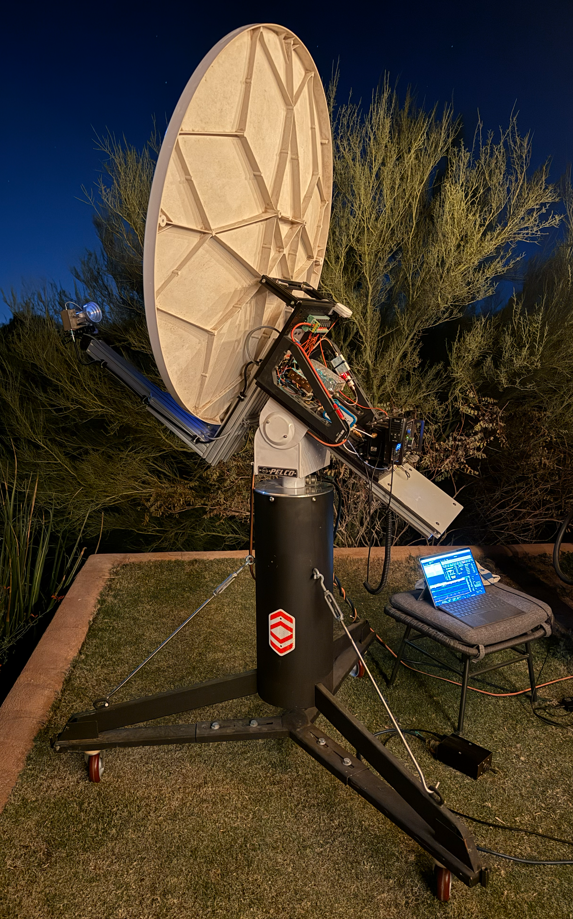 NJ6D 1 m transportable system in action with focused moon light illuminating the feed
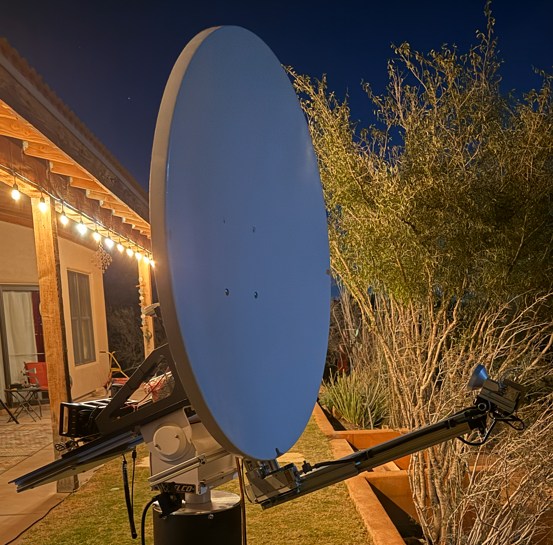 NJ6D Dish on the moon note feed shadow bottom of offset dish
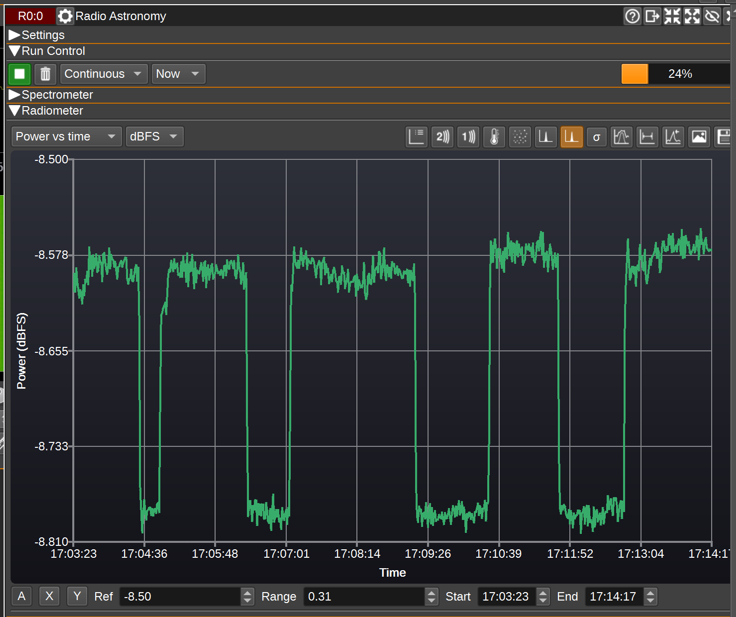 NJ6D Moon noise 0 25 dB from SDRPlay DUO SDR Angel SW
OH3LWP Ari
February 2026 is the first month with arctic temperatures in southern OH since I completed my 5 band (23 cm to 3 cm) remote EME system with a 4 m dish in early 2025.
Day time temperatures were around -20 C and nighttime temperatures around -30 C for several weeks. Everything worked well due to carefully selected lubricants and 48 V DC powered heating applied to critical components. I also applied a small amount of hold current to all antenna motors to keep them warm.
Worked several new initials and new DXCCs in 25/1/2026 to 22/2/2026 time window as below:
New 23 cm initials:
29/01/2026 PA0BAT digital, ON4BCB digital, HI3/LY3UM digital (also new DXCC)
Thank you to Alex for HI3!
31/01/2026 LX/ON4MU digital (also new DXCC)
19/02/2026 BH1TSU digital, K4VJ digital
20/02/2026 VK2CMP digital
New 9 cm initial:
21/02/2026 BA7NQ digital (also new DXCC)
OK1KIR Vlada & Tonda
On Sat, Jan 24 shortly after an easy 23 cm QSO (-12/-11) with Alex OA7/LY3UM in Peru, our 23 cm TX suddenly failed. We found a burned PCB in one of four combined PE1RKI SSPA blocks.
It was not easy to repair (new PCB required), so we lost a chance to work Alex later with CW after the digi pile-up. The repair took several days, but we all worked to get ready for Alex's expedition in the Dominican Republic on Thursday, Jan 29.
Unfortunately, Mr. Murphy was still there and when we switched on the dish steering, the elevation movement stopped. We found a burned PWM driver of the EL motor, and in a hurry we rearranged the EL steering to manual operation, but time was against us and we missed Alex’s start of operation. However, later worked him easily with Q65-30B at 19:57 HI3/LY3UM (-12/-14) as #661 and mixed DXCC #148.
While waiting for a pause in the digi queue for Alex to try CW, we worked on Saturday January 31 with Q65-60C at 20:03 LX/ON4UM (-9/-8) as #662 and new digi DXCC #141, at 20:13 DL6ZG (-1/-5) as #663 and at 22:10 DL8EBL (-19/-20) as #664.
Finally after midnight, i.e. on Sunday February 1, we worked at 00:52 HI3/LY3UM 439/519 #532 and CW DXCC #92. Later at 02:48 with Q65-60C we added KV7E (-9/-11) as #665 with a strong signal, but it was hard to decode. His QRH was about -100 Hz/min and required a Max Drift setting of 20 to get decodes.
All the above was completed with hand operated EL dish steering. Due to that we gave up on the 70 cm part of DUBUS-REF EME contest.
On the 24 GHz activity day on Sat, Feb 21 we did not participate due to other duties, but we plan to be QRV in the 13 cm part of the DUBUS-REF EME Contest.
OZ1LPR Peter
I was QRV for most of the day for the "large" sked on 21st February 2026 and worked 9 stations:
IZ0JNY, LZ4OC, IZ2DJP, IW2BNA, ON/PA0MHE, PA7JB, IK6CAK (with 2 W into a 2.4 meter offset), PA0BAT, DB6NT in CW.
I was heard by several others not able to TX.
That was quite fun and good activity with bad weather on my side.
Equipment used here was a 2.4 meter Andrew offset dish with around 200 W in the feed. My Moon noise with elevation above 25 degrees is 1.9 to 2.0 dB.
If anyone needs a sked or just a signal to listen to, send me an email. I cannot be QRV on rainy days as having 15 kV feed to the TWT at the feed-point is not for the faint hearted!
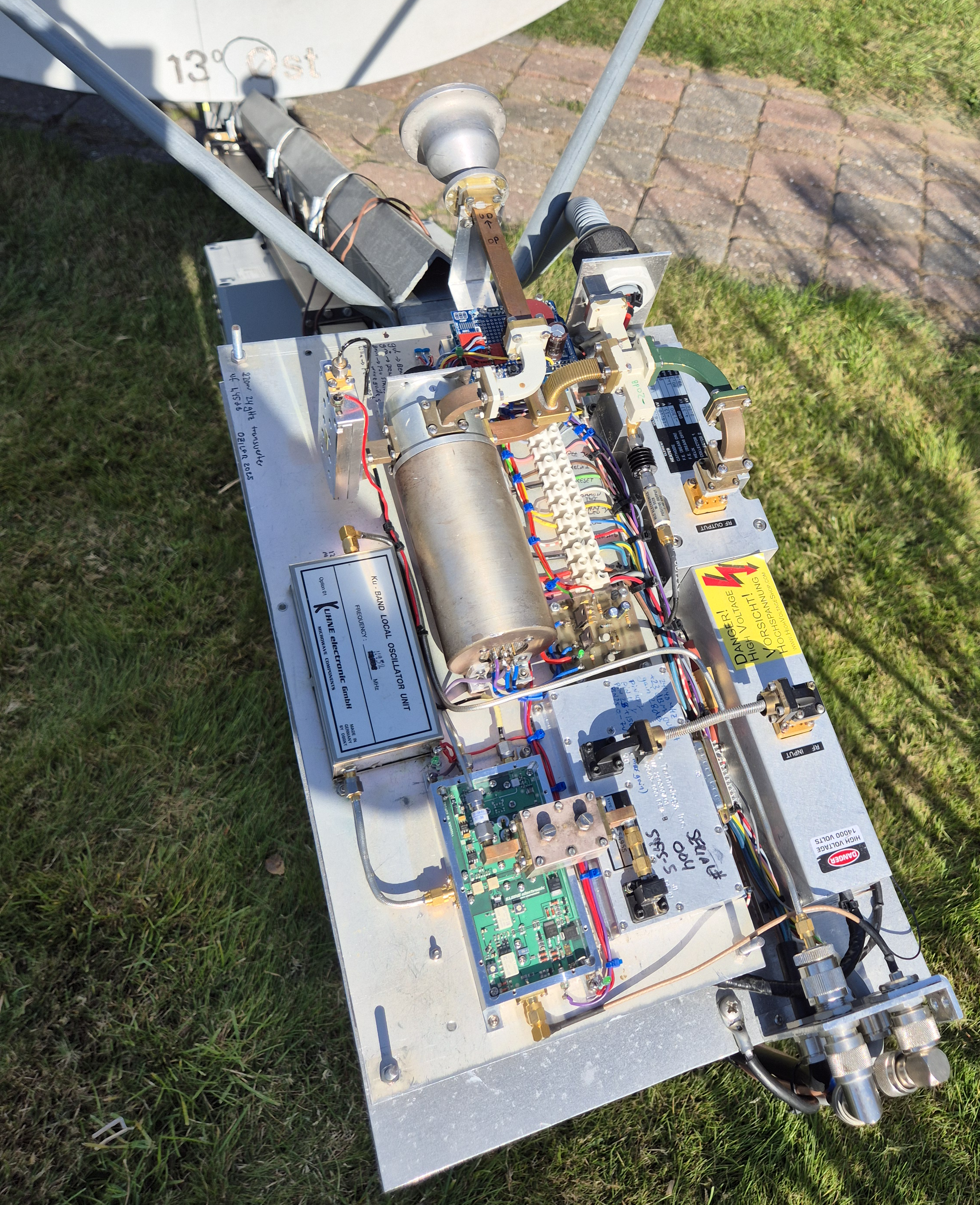 OZ1LPR 24 GHz 200 W TWT on Dish
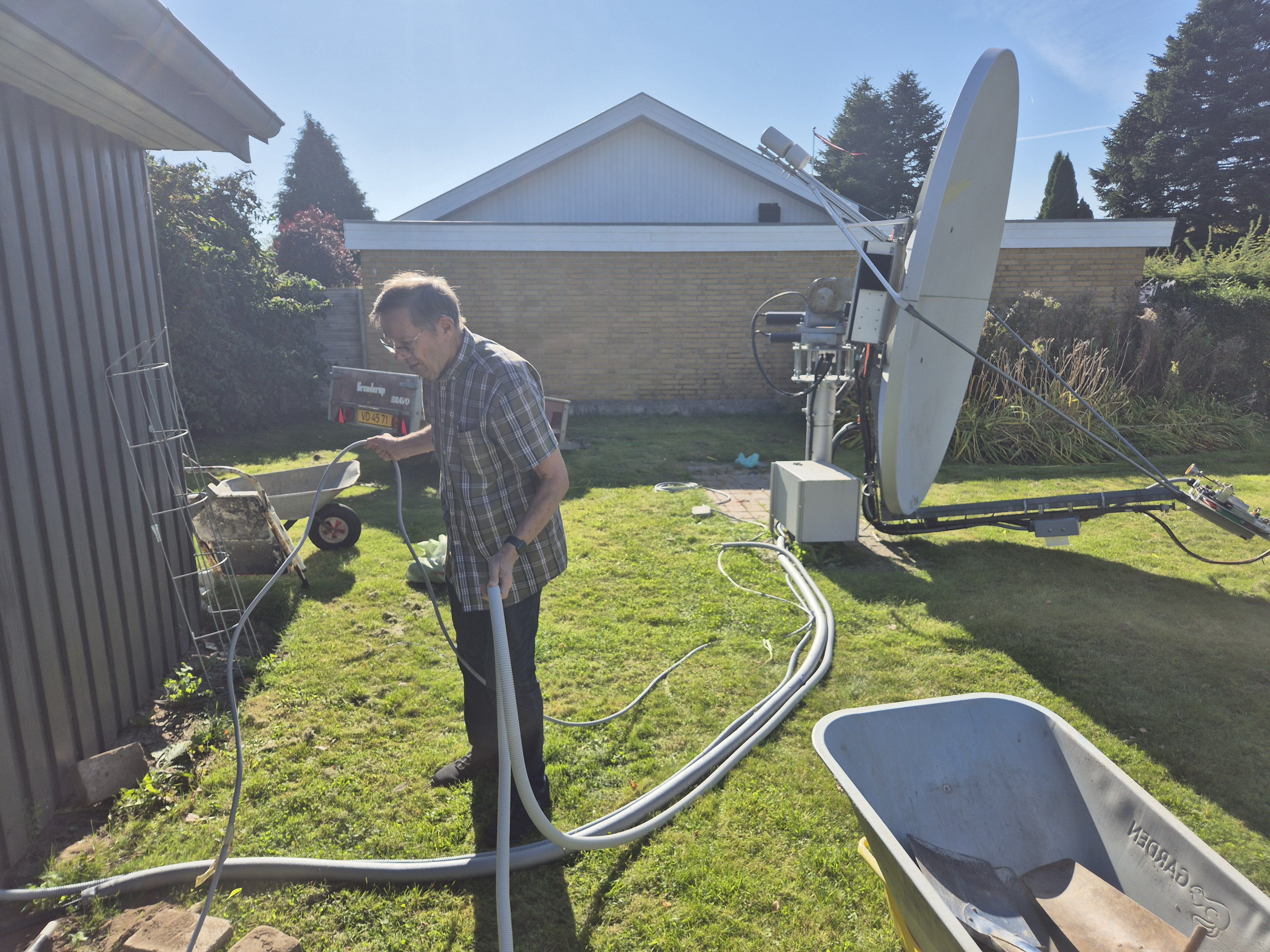 OZ1LPR Running 14 kV Cables to Dish
PA0PLY Jan
I just received an update on the XPA-40 10 GHz Power Amplifier design process. The initial tests showed good results with > 40 W on 10 GHz.
Last week's work on the PCB design is complete and we ordered them for the first batches.
Currently we are working on the Bias circuitry. We expect to have the first module running in April.
Please see some of the design pictures. The cooling block might be too small and will be corrected once we do the first test runs.
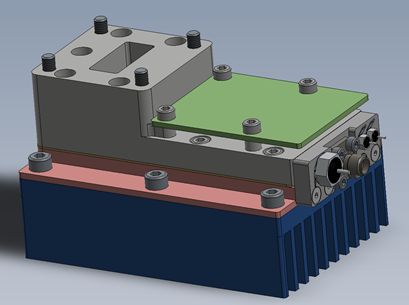 PA0PLY 10 GHz PA CAD Picture 1
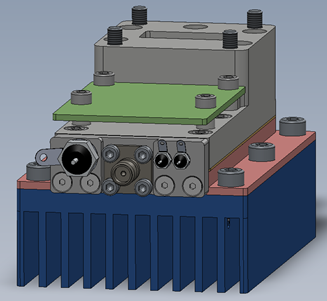 PA0PLY 10 GHz PA CAD Picture 2
PA3DZL Jac
On 13 cm (2320 + 2302 MHz) I was QRV at the end of last year and I worked K5DOG # 179, PE9GHZ and 3 QSOs again with Marcel ON5QT running his 4 yagis. His best was -19. On the 29th of December I had a very good copy on Ron, DU3T. His best was -7 due to QRM on 2320 MHz on his side and we could not make a QSO. Ron has no QRM on 2400 MHz, so the next step for me is to be able to transmit on 2400 MHz.
On 23 cm I worked: W2HRO, OA7/LY3UM # 692 and NEW DXCC # 122, HI3/LY3UM # 693 and NEW DXCC # 123, DL6ZG # 694 and SP2WRH # 695 great signals from Rafal running with a single yagi. Great job again from Alex EA8DBM / LY3UM activating Peru and Dominican Rep on 23 cm!
On 70 cm I worked: SP3XBO # 459 and our 6th band Moonbounce QSO, NC1I, DDØVF, OK2AQ, SM4GGC, GM8JBJ, JF6CTK, OH1LRY, BG7XWF # 460, 7K3LGC, OK1VUM, YO5TP, DL8DAU, ON7EQ, PJ4MM, KL6M in CW both with tree in the way, VK2CMP, CT7ABA, JJ1NNJ and VK4EME.
During the 70 cm Dubus CS/SSB contest QSOs were made with: UA3PTW (CW), G3LTF (CW), OH1LRY (CW), DL9KR (CW) and I had good CW copy on DF6LH but we could not complete.
PA7JB John
After my first QSO with Gerard PA0BAT on 24 GHz on 27-03-2021, it was time to be QRV again. Ivan IZ0JNY organised a Large 24 GHz Activity on 21 February 2026, but my system was not ready.
With 2 weeks of hard work and great help with the last details from Hans PE1CKK on the day before, it was ready to go. Thank you for your help Hans!
The WX was bad with rain, rain and again rain. But after 6 years I made a QSO with Peter OZ1LPR who was extremely strong. I also tried with Ivan IZ0JNY but he only saw me once.
Then Mr. Murphy came by and No indication of output !!!!
In the photos you can see how I made a power output indicator by drilling a hole off 2,2 mm in the waveguide and putting in a SMA chassis connector. The probe is flat in the waveguide and this gives me around -30 dB coupling, but this was too much for the detector. I can make 22 Watts out of the modified RW1127 TWT (TNX Manfred DL7YC).
I am using water cooling for my TWT. I have a 25 litre bucket filled with water and antifreeze, which is also used as a counterweight for my dish, so the dish is almost stable. It’s not as cold here as some other places. The green water hose (here in the Netherlands everyone who sees this laughs) but it is cheap. Under the TWT you can see a block of aluminum that has 1 channel where the water goes through. There is a small aquarium pump inside the bucket. This has worked for 14 years now and it does not make noise. So water is perfect.
I hope to work more stations but I also have to modify the 2.4 meter offset dish. It is made out of 2 parts and when I started using it 15 years ago on 23 cm; I did not pay close attention to how the dish was bolted together.
There is a lot of work to do and still a lot to learn because 24 GHz is not easy, but it is fun!
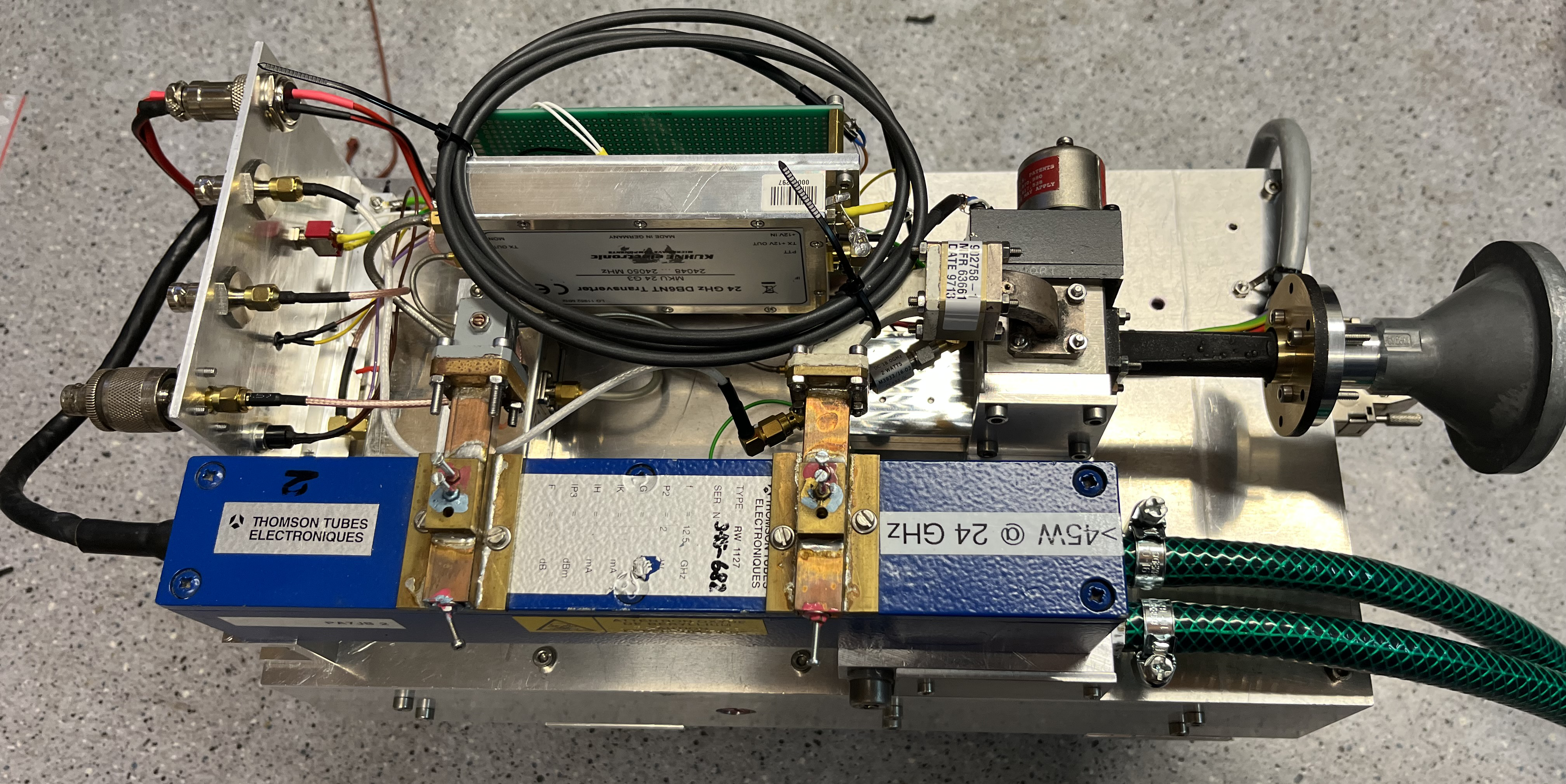 PA7JB Overall View of Feed Assembly with TWT and Transverter
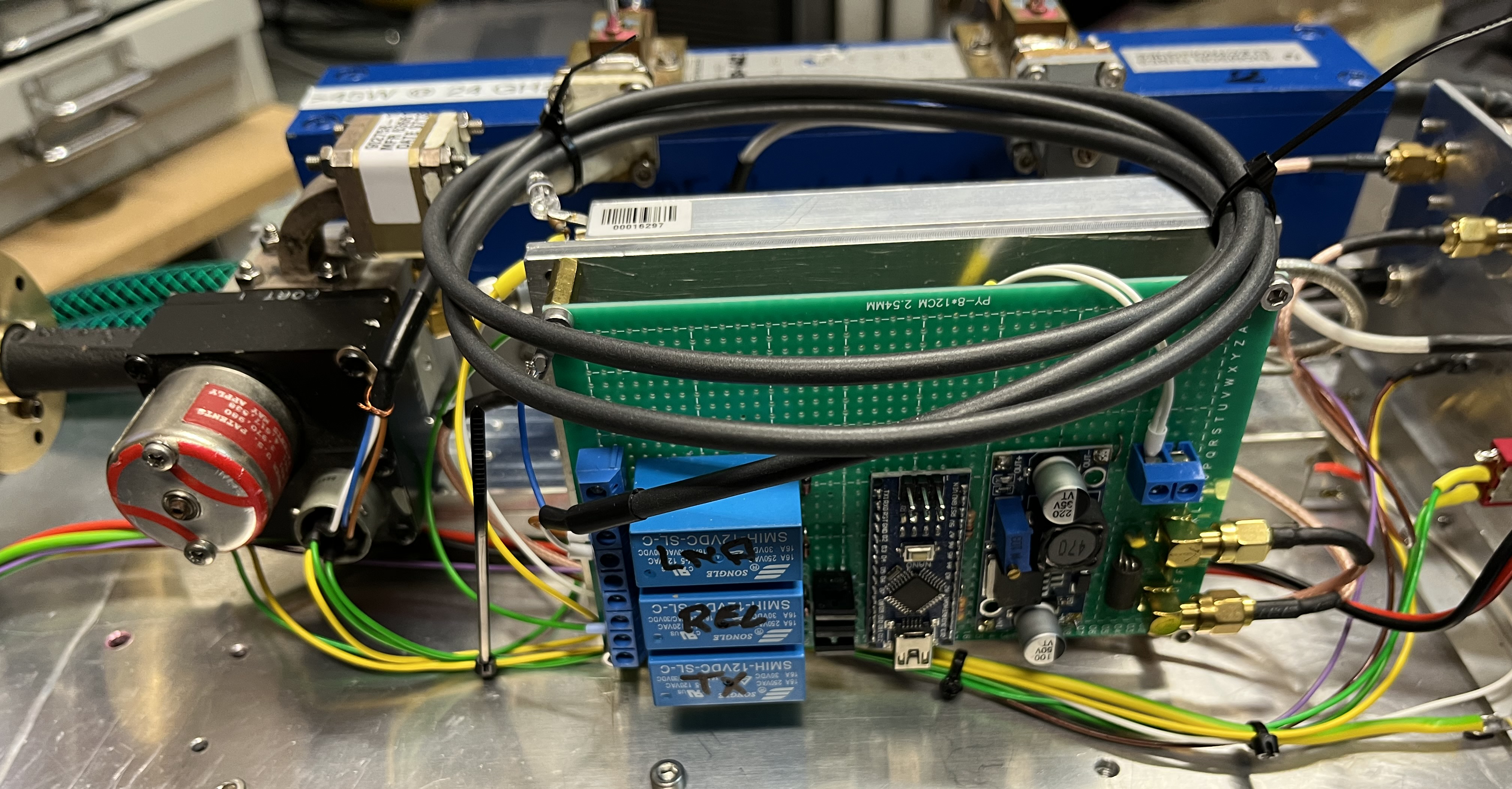 PA7JB Side View of 24 GHz Feed Assembly
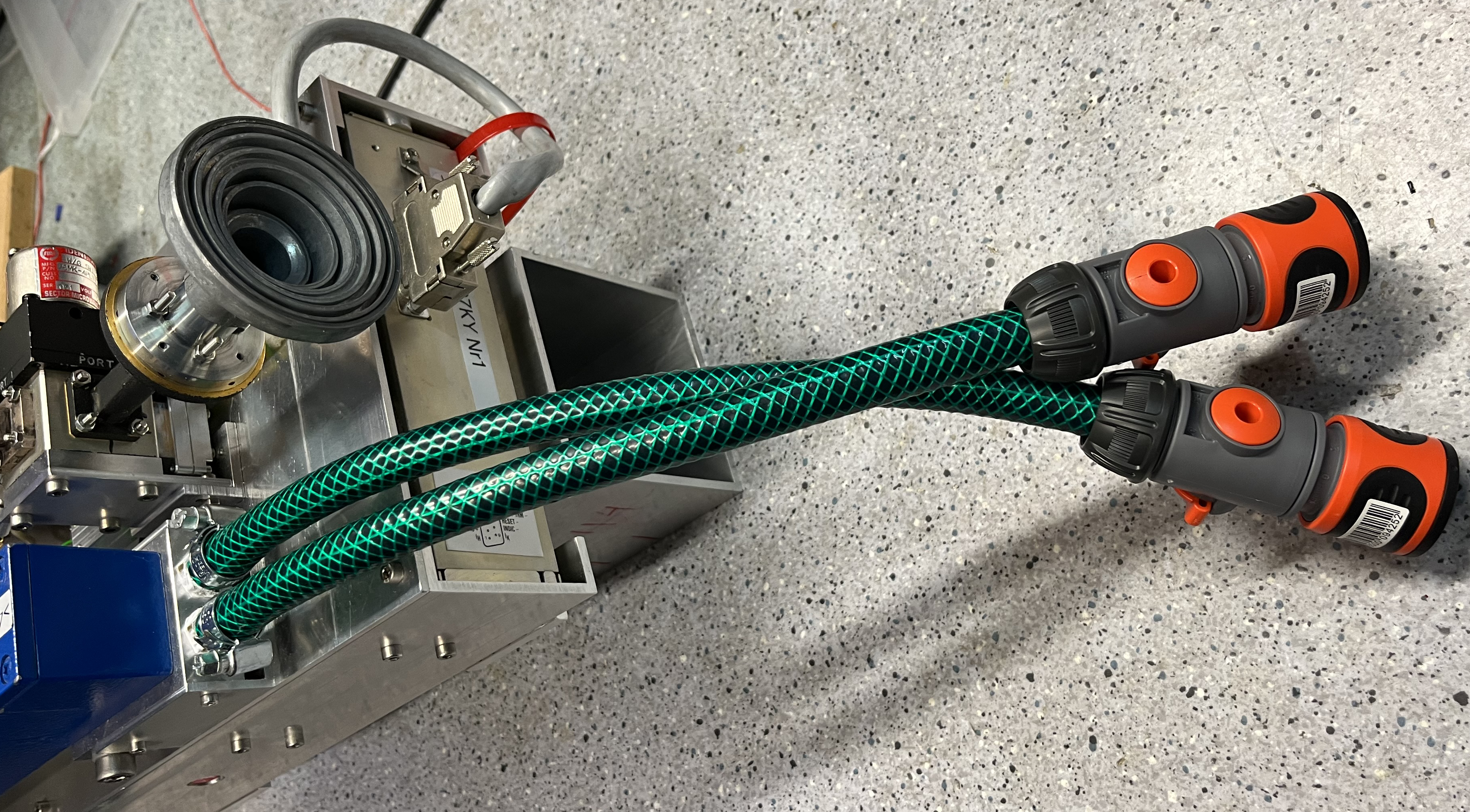 PA7JB Closeup of Water Connections and Feedhorn
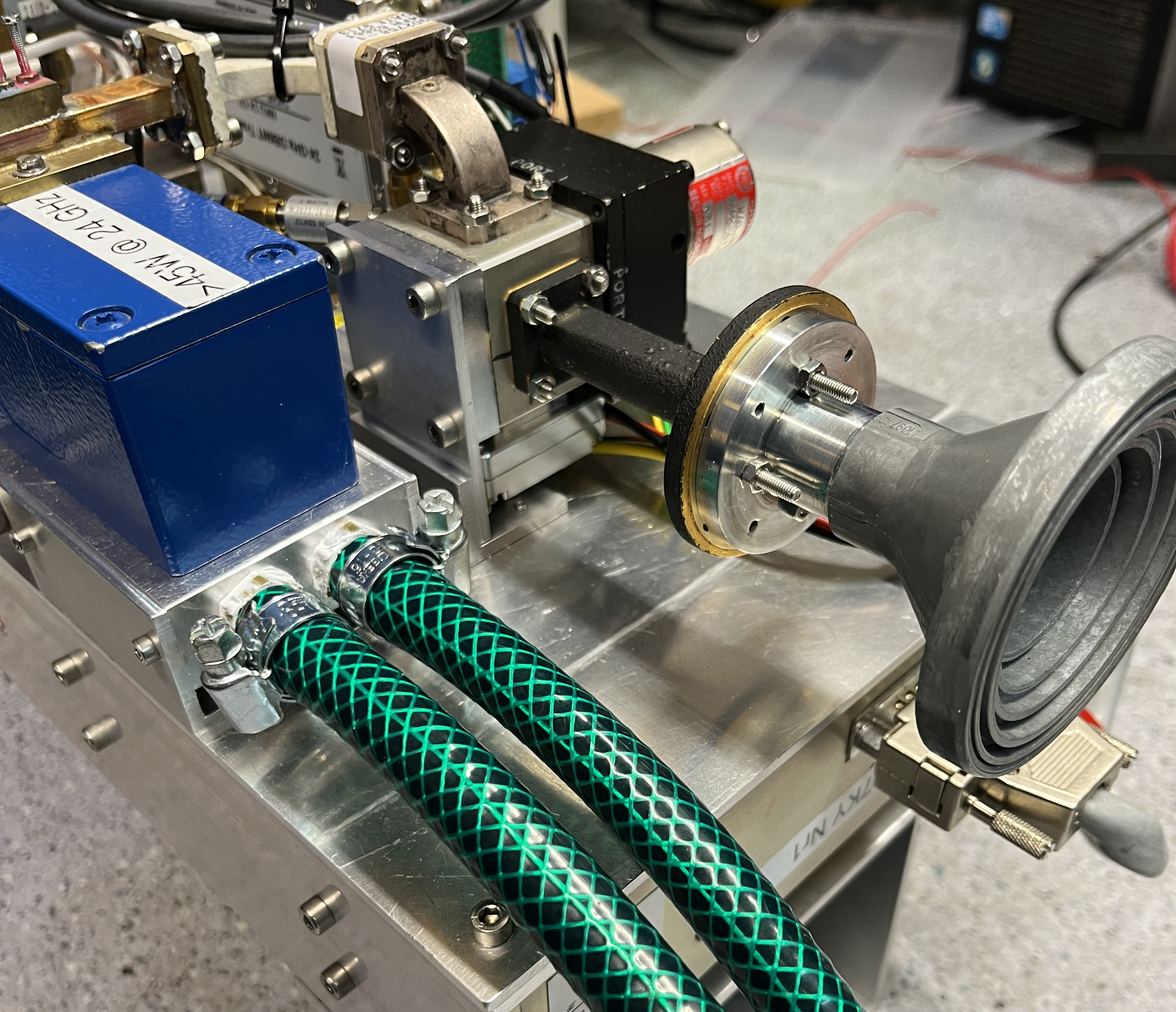 PA7JB Another View of Water Connections and Feedhorn
VE4MA Barry
I was active on 70 cm for the DUBUS-REF contest. It was very cold with air temperatures in the high -20 degrees C and mid -30 C with the wind effect, but just prior to the contest I was able to install a metal fence (20 cm high) around the edge of my 3 m dish. This is like what KB2SA has done with his 1 m dish for 23 cm.
When I last operated on 70 cm I experienced a serious deficiency in my RX and I suspected that I needed to improve the strong signal handling capability of my RX. There are a lot of signals from wireless devices at 433.9 MHz. I replaced an "old style" LNA with one from Downeast Microwave which has a high dynamic range device followed by a SAW BPF and a second amplifier stage. The gain of this s2 stage amplifier allowed me to remove a second "old style" post amplifier.
My 3 m dish (0.3 f/D) uses a PY2BS dual polarity patch feed. With this combination of low f/D and "large" 70 cm wavelength, The back reflection from the dish results in a high SWR if you place the feed at the focus so I was forced to place the feed further out at 105 cm vs at the focus at 91 cm. I did try to tune the patch feed at the focus but was only able to get about 10 db RL vs 25 dB at the 105 cm position. With a dish that is only 4 WL in diameter means that the focus is not very well defined but having the feed out further from focus would create even more spillover to pick up ground noise and possible QRN from the wireless devices. This is the reason for installing the fence around the perimeter of the dish. Unfortunately with the weather, time and low sun elevation, it was not possible to evaluate the possible improvement on RX performance.
Activity on January 31st during the DUBUS -REF contest seemed low when my window opened at about 00:00 UTC. I know that many parts of EU and Eastern NA were experiencing some of the severe winter weather as well, and with the increasing age of most CW operators, late night operating is not as easy as it used to be 😀 ! However at 00:11 UTC I did QSO DL9KR 569/559. It was a great pleasure and he had an outstanding signal as always, and I have not had a QSO with him for decades. Our first QSO was in 1978!
Later at 01:06 I worked UA3PTW 579/579, we had a great signal throughout the night. At 01:37 I worked DK0TE -24/-32. After the first sequence with no report I switched TX polarity. and at 01:45 I worked W5ZN -32/-20 (first EME QSO with Joel on any band). Later at 0334 I QSO'd KL6M O/RO, a very marginal QSO. Polarity adjustment did not improve signals. VE6TA was active at the time and when we tried there was nothing heard in either direction. Both KL6M, VE6TA and I are in the Aurora Zone. Although our geographic attitudes may differ, we are very close to the same Geomagnetic latitude. See the 50 MHz Aurora Data Map produced by Mel Wison W2BOC (SK). When I was more active on 70 cm I had seen several periods of signal absorption when there was potential Aurora activity. I don't believe that there was any Aurora present on January 31st.
On February 1 at 01:57 I had a nice CW QSO on 24 GHz with WA6PY 559/549. The spreading conditions were at a minimum between us and much better than our first CW QSO back in 2021. It was snowing at my QTH which probably reduced signal levels on RX.
On February 2nd I was on 10 GHz and conditions were great with cold air, clear skies and 2.8 dB of Moon noise! At 01:47 I QSO'd OH3LWP -3/-9, 02:06 NJ6D -20/-12, 02:10 N2END -10 Both, 02:28 W3TI -17/-13, 02:47 CX2SC -14/-13,and at 04:41 N6RMJ -21/-16.
On February 3rd I had more 10 GHz QSOs: at 0336 W3TI -17/-13, at 03:42 W5LUA -5/-10, 03:39 N2END -13/-12, and at 04:02 NJ6D -23/-14 (best -12).
With the announcement of the Artemis II mission I decided to try to receive the spacecraft so I hastily assembled a down converter after tuning up a good BPF. I decided to use my 2.4 m offset dish and began fabrication of a 1.88 WL dia W2IMU feed since these work so well with my dish on 10 & 24 GHz. I had an old launcher with tuning screw polarizer for 2304 MHz and I made the transition cone and drift phasing section using "hardware cloth" with 6 mm holes. Charlie DL3WDG did something like this as reported in a previous Newsletter and I found this mesh to be good to work with and solderable. I tested this horn on 2304 on the 2.4 m dish first and was seeing between 12 and 13 dB of Sun with some WiFi noise (I am going to install a BPF after the first preamp stage.) I may use the 2.4 m dish going forward, rather than continuing to use the 3 m prime focus dish.
I spent a lot of time trying to integrate a new SDR (Anan 10E) into my 432 and 24 GHz station, instead of the Flex 1500s I have been using. I had problems getting the transverter table to accept 24 GHz. The documentation on this is non-existent and I tried changing operating regions / countries without success. I was able to get it to work however so I was looking forward to some 24 GHz fun. However the 13 kV TWT power supply tries to come up and then stops without giving any alarms. This is going to take some work! I may have to go back to my old power supply but have to modify it for WSJT sequencing vs manual PTT used for CW.
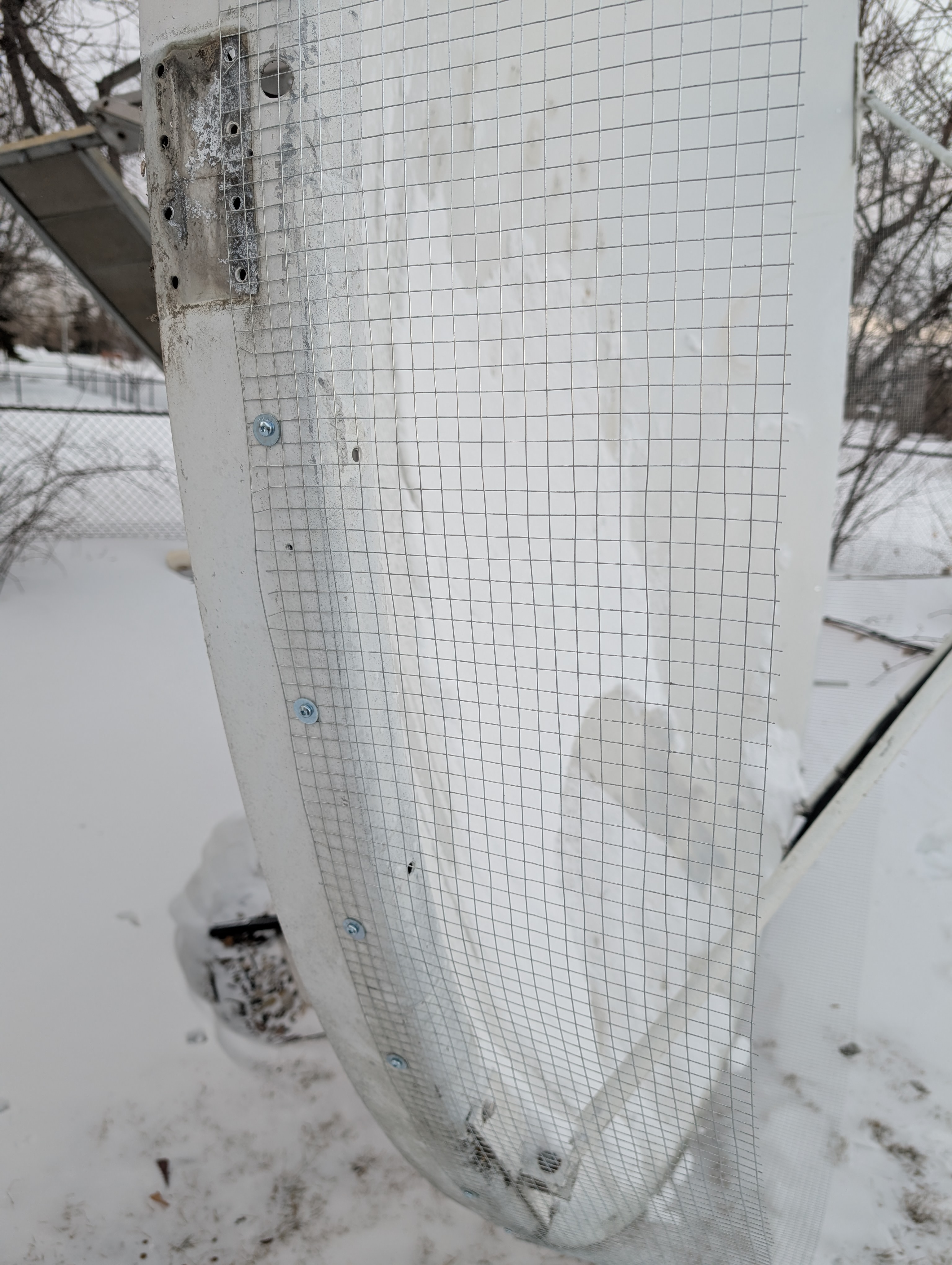 VE4MA Mesh Installed on Rim of 3 m Dish
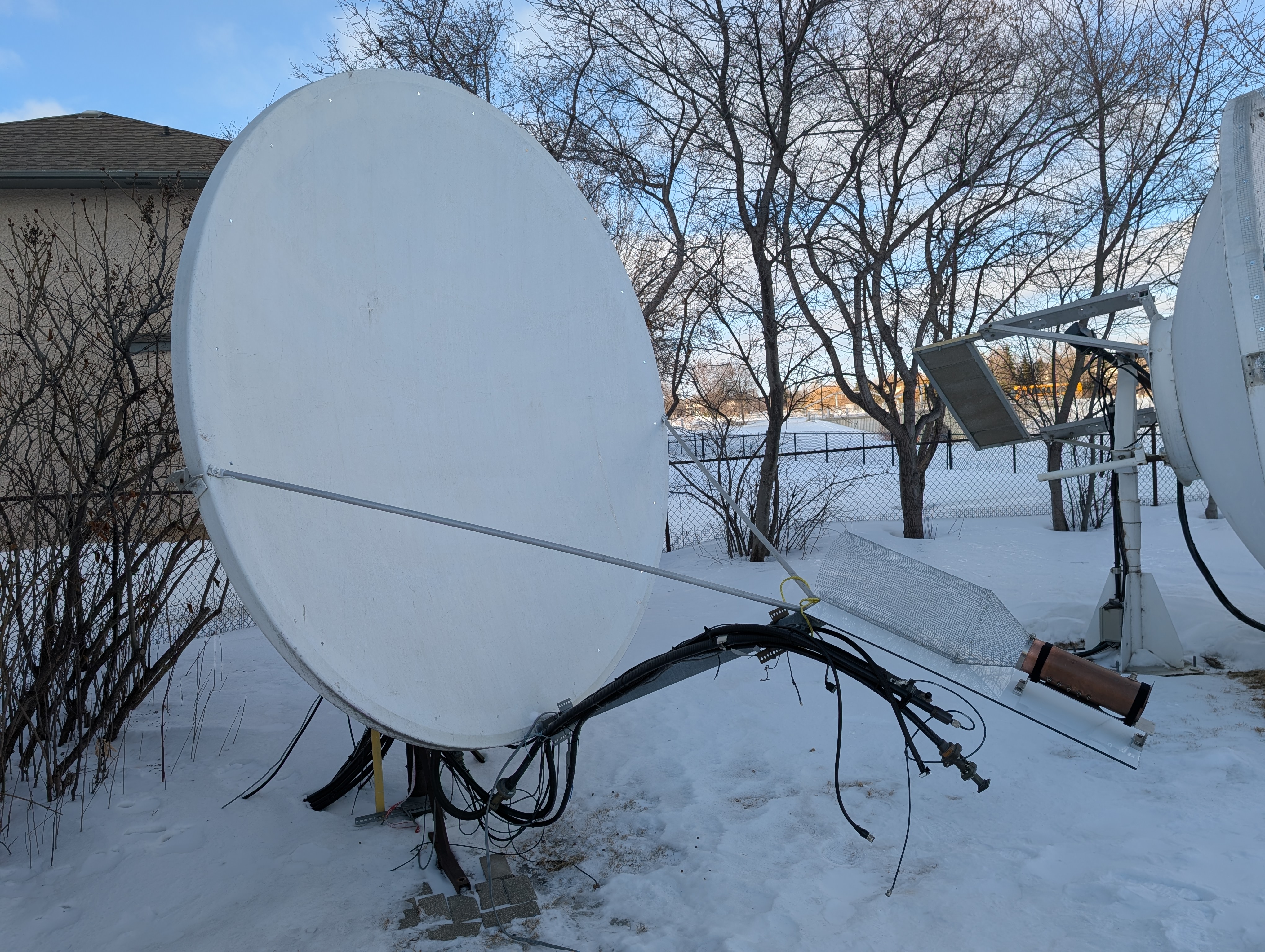 VE4MA 2.4 dish with 1.88 WL W2IMU feed for 2.3 GHz
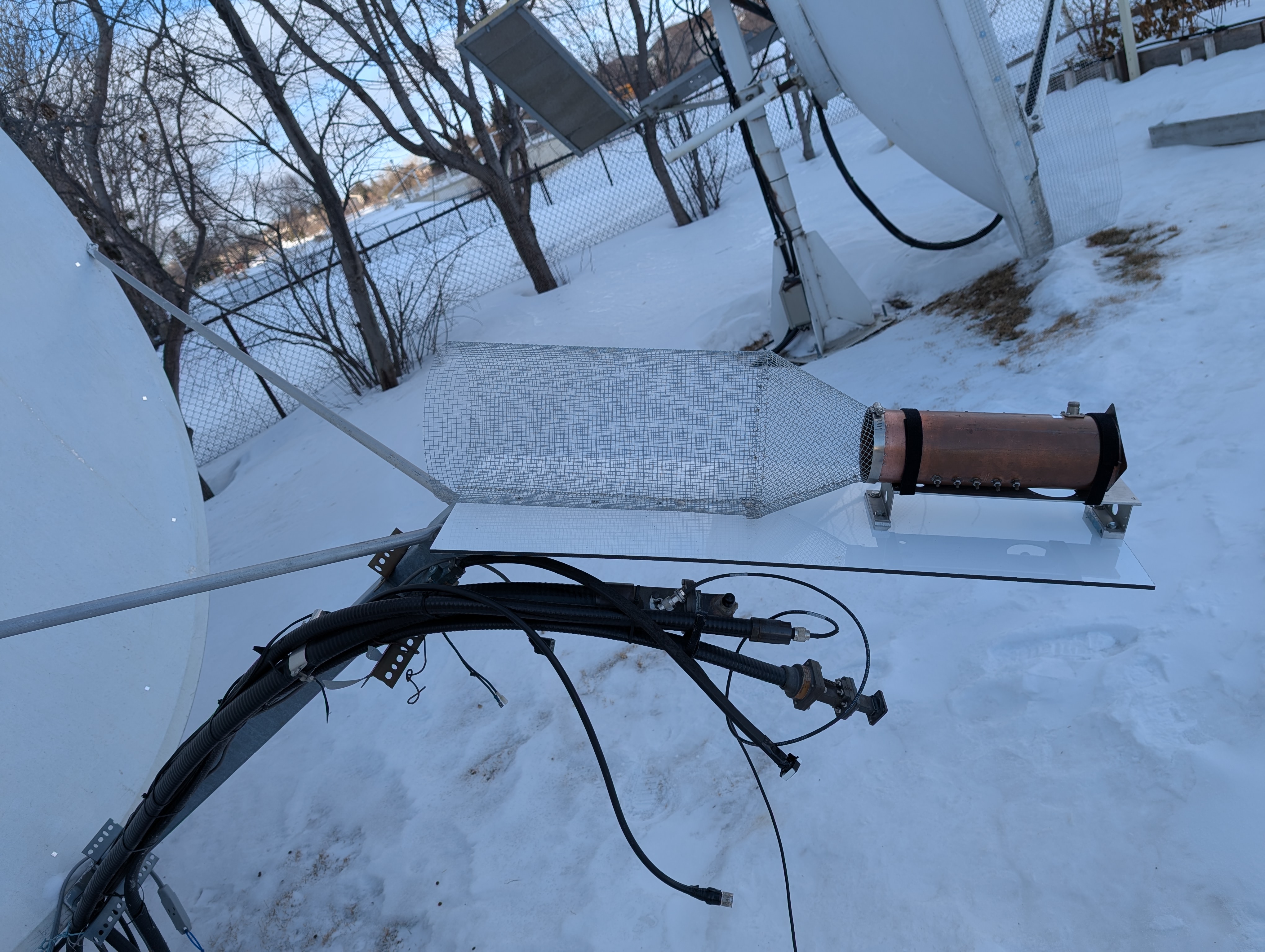 VE4MA Closeup of 1.88 WL W2IMU Feedharn For 2.3 GHz
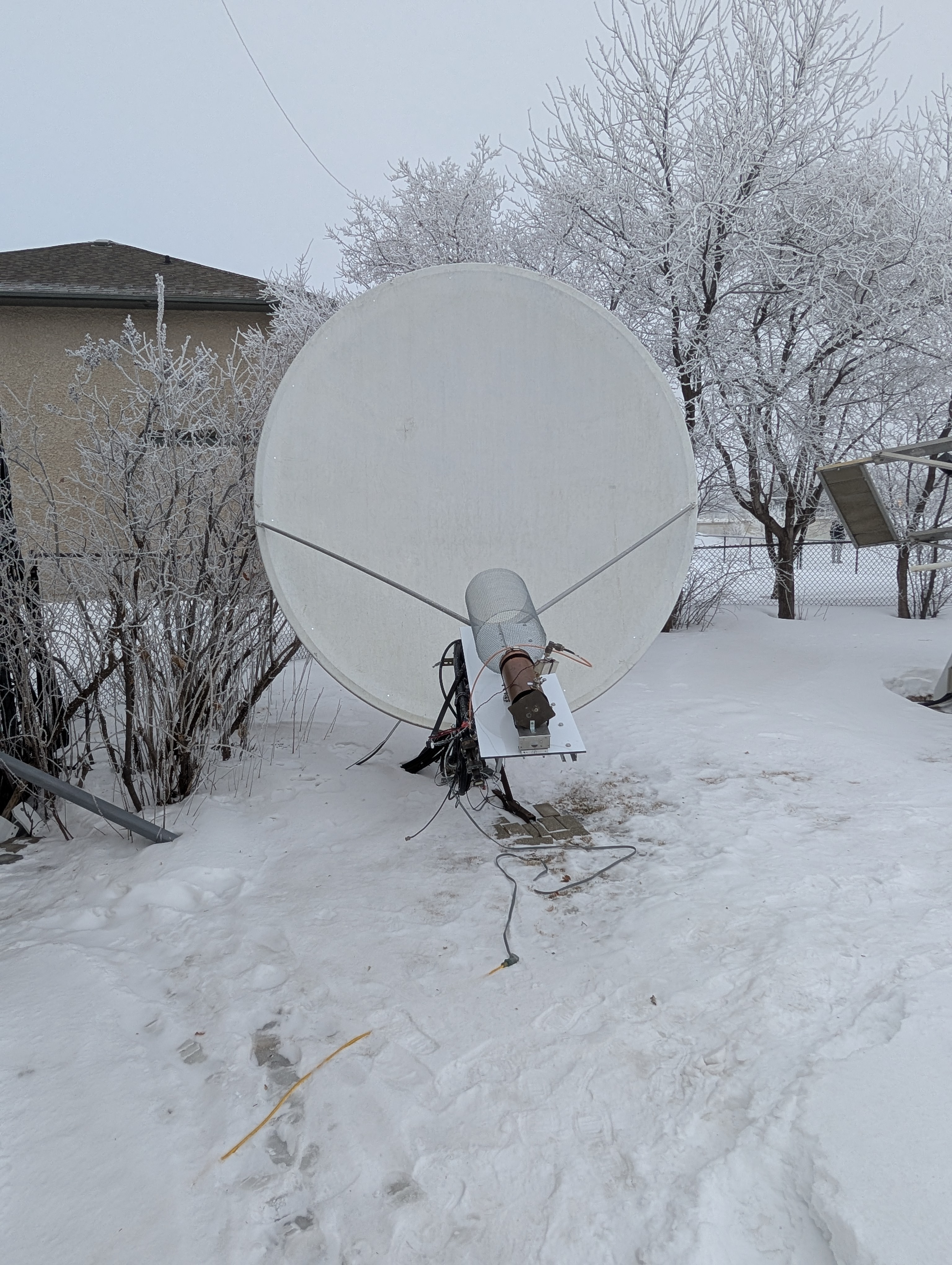 VE4MA Sun Noise Testing New 2.3 GHz Feedhorn
VE4MA W2BOC Geomagnetic Lattitude Map
VE4SA Shawn
I was active on January 31 on 23 cm with seven QSOs. Initials included LB6B, KD5CHG, AA4MD, and the Dominican DXpedition HI3/LY3UM.
Conditions were excellent February 23 on 23 cm with twelve Q65 QSOs including initials KA6U, GW4ZHI, OK1VUM. I also worked my first digital QSO with G4CCH, a little over 18 years after my maiden EME QSO with Howard on CW.
VK2CMP MICK
I am currently portable testing out the 1296 station. I attach a photo of the location / setup and one of the broken AZ mount.
Being new to 23 cm, when I was reviewing candidate sites for my 1st portable activation and having come from 70cm I spent some time thinking what would a battle hardened 23 cm op do? Then it hit me while looking at the list of sites near Orange on the Central Tablelands that a vineyard would be the perfect choice in keeping with the 23 cm crowd!
The portable setup is 2.4 m HRO folding dish, 600 W PQL PA, AnTrack Pro, AGO LNA & locked IC9700. I have two battery/ inverter combinations. I can use
1) 200 Ah / 2 kW inverter in 4WD and
2) 600 Ah / 2 kW inverter in camper trailer.
Apparently I do need to leave some capacity to run two fridges so I augment this with 2 solar panels connected to the trailer that generate 26 A in full sunlight. The plan was to test if I needed to buy a generator for these activations.
We set up camp in the centre of the vineyard on Friday and then worked the EU pass with great results. I used the 4WD 200 Ah battery and 2 kW inverter for this pass. On TX at 300 W the station draws about 800 W and on RX around 50 W. For the pass I used 100 Ah of the 4WD battery capacity to work VK4CDI, YO2LAM, G0BLK, OH3LWP, JS6UJS, RW9OG, ES3RF & R1NW. All were good signals typically around R-20dB so I was very happy with the performance of the station.
So it turns out you really shouldn’t use multi grips to tighten the AZ pan mount on a very expensive ex-cameraman tripod converted for mounting a 2.4 m folding dish. Yep I broke the mount when tightening it to combat very high wind gusts that arrived in the morning. Alas it put a hole in my 1st NA moon pass. I spent some time trying to work Bill KB2SA and his solar cooker but even with guy ropes and the XYL trying to hold the dish on target it kept getting blown off the moon. I did work JA6AHB in a moment of calm.
This could have ended the weekend way early as my workshop was 4 hours away in Sydney. Some serious problem solving was required so we went to the vineyards wine tasting to consider our options. They serve great wine and food around Orange so a fix was found about halfway down the wine list. I used some pipe clamps from the 4WD outback spares kit to hopefully jury rig the AZ mount for the remainder of the weekend.
For the EU pass on my Saturday evening I worked UA3PTW, SP5GDM, LA3EQ, OK2DL, JA4LJB, PA3FXB, F5KUG, GM0PJD & PA1PS with 1 degree elevation. The weatherman said it was going to be clear for the NA Sunday morning pass and for once he was right and I worked KA1GT and JA6AHB.
I will add a "23 cm stations worked page" to my web page https://www.farout.ai and then people can get the signal reports for all my 23 cm Initials.
The weekend away was planned to test out the setup and also practice unpacking and packing up the station and get some ideas on improvements. I certainly am about three times slower than KB7Q so I needed the practice. On the battery side of things we had ample reserve so I was happy to run without a generator and just the two portable solar panels. That being said, it is summer so there is lots of daylight. One other thing I tried was the Theodolite app on the phone instead of using a compass and was surprised at how well it works to get a bearing to set-up and check pointing. I saw this in this NL or on Moon-net so thanks to whoever’s suggestion this was!
I certainly would suggest that everyone tries an activation in a vineyard that has wine tastings.
During the month on 70 cm I was very happy to work JJ1NNJ from my home station after a few attempts where we had got close. I did put out a CW call for the NA pass for the DUBUS-REF contest but it was the middle of the night in the US so no joy. For the EU pass which was 5 AM local I had to get up early and head on to my son's house 2 hrs away for a day of unpaid chainsawing and missed the pass due to bad coordination between the two events.
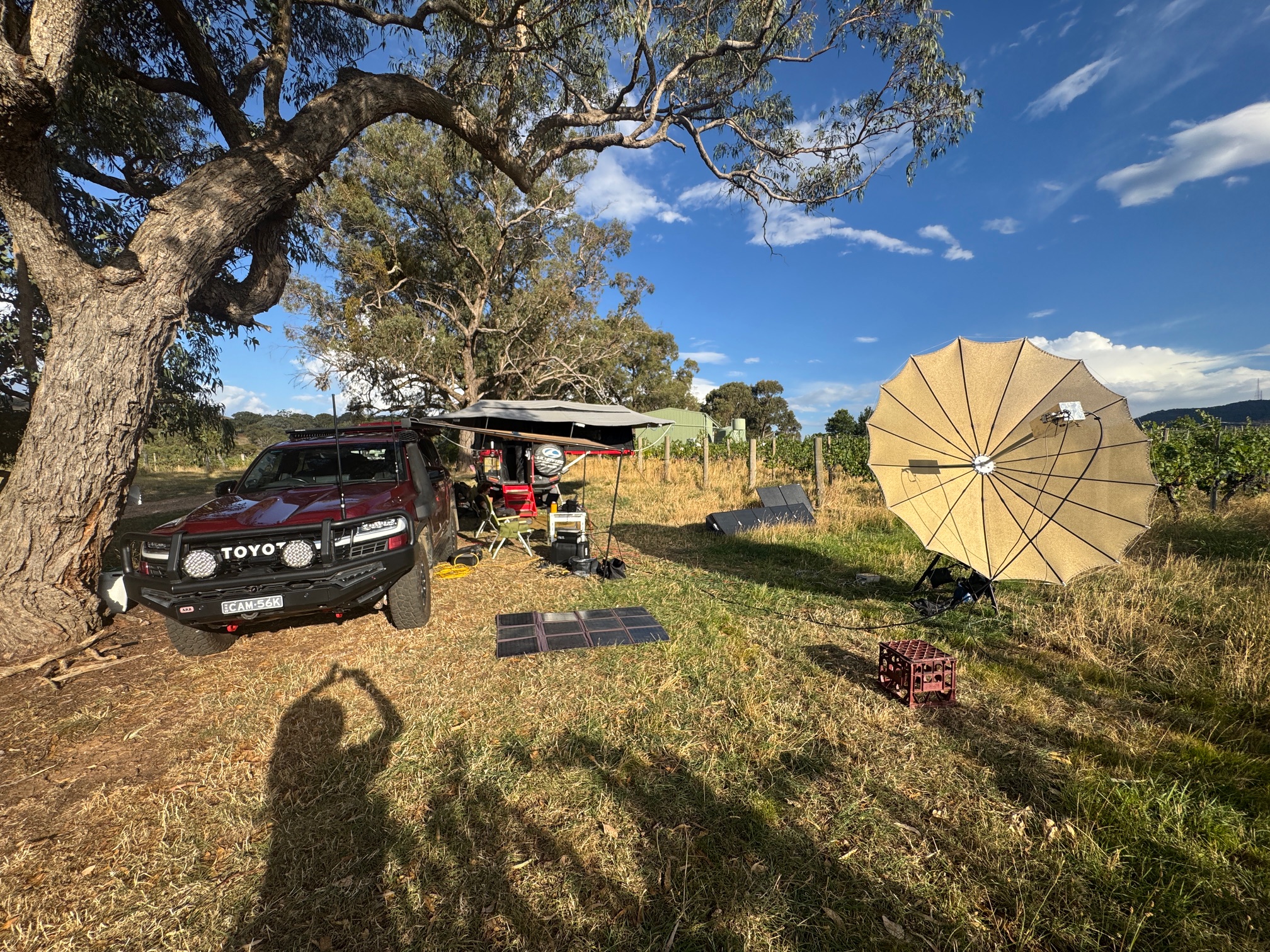 VK2CMP Portable Station Setup
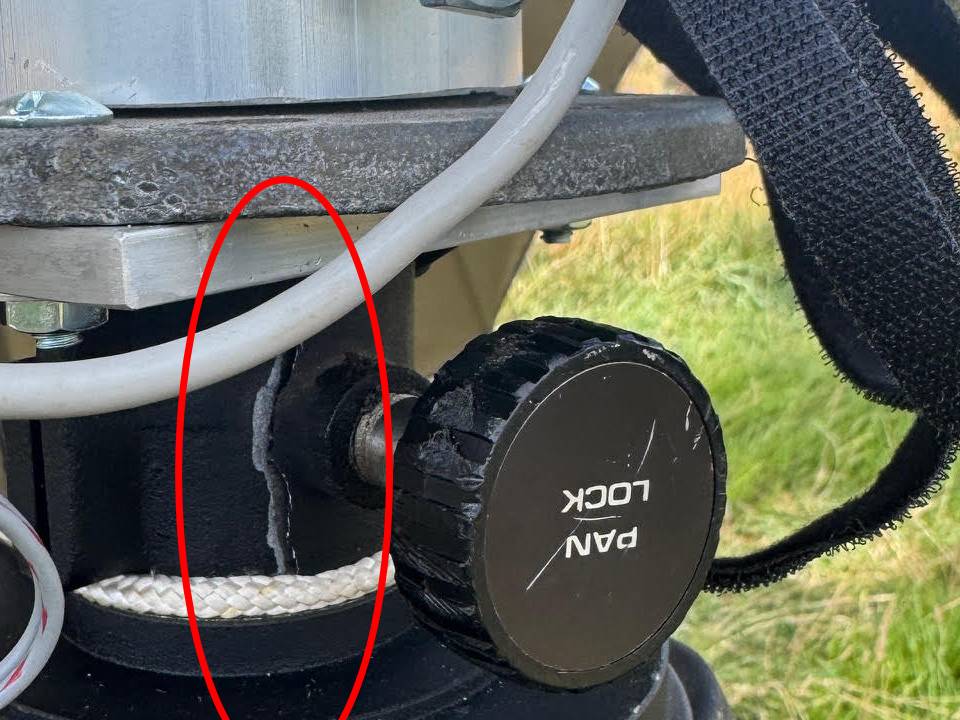 VK2CMP Cracked Camera Mount
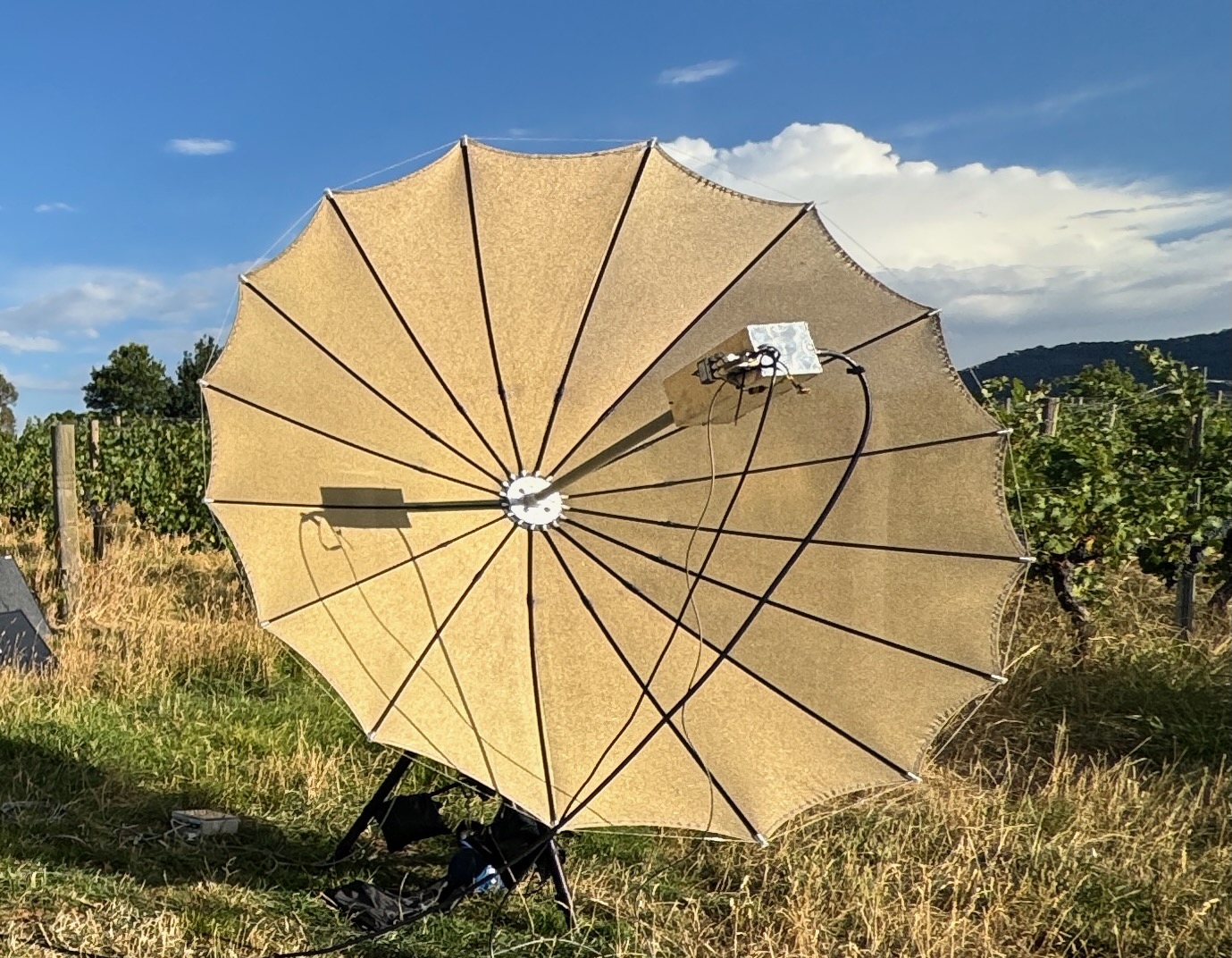 VK2CMP dish
VK4AMG George
I am a newbie to 70 cm EME. My Amateur Radio and My Career – VK4AMG gives information on my professional and amateur radio career. https://vk4amg.blog/amateur-radio-and-my-career/
After operating 2 m EME for many years, I abandoned the band due to increased residential QRM.
My 70 cm station is now complete and despite some initial setbacks (mainly a LMR600 transmit coax line that became a 1 kW dummy load), I am now collecting some initial QSOs.
My setting up was assisted by Allan VK4EME, Mick VK2CMP, and Alex HB9DRI. Alex led me through LinRad configuration, doing much of the button pushing via WhatsApp and TeamViewer.
My station uses four x Antenna-Amplifier 24 element crossed rear mount antenna 70 cm CROSS24DXR. Two SAV541 LNAs with SMS relay isolation (0.3 dBF) feed separate receive lines to an amplifier splitter in the shack. The splitter feeds a dual VHF SDR (Afedri SDR-Net) network connected to LinRad and MAP65. H and V splitter outputs are selectable input to a IC9700, injection locked by my RefGen9700 module and a DGPS-2 10 MHz GPS disciplined frequency reference. WSJT-X uses the IC9700 for transmit and receive
Power amplifier is a modified x-medical ablation generator capable of 2 kW. This unit loafs along for Q65-60B sequences at legal and scientific power levels. Output may be switched between horizontal and vertical polarisation as guided by MAP65. A RF tap in the IC9700 feeds a Funcube Pro+ SDR and HDSDR for band monitoring. Rotator is a Yaesu G5500-DC. Its controller is commanded by an Arduino Nano processor. A VB6 PC application extracts azimuth and elevation data from WSJT tracking azel.dat file and passes the data by USB serial to the Nano processor. A video camera on the array allows visual confirmation of tracking.
My first QSO was with Frank NC1I -10 dB with a -22 report despite the water-damaged transmit coax. My initial QSOs are building with USA, EU, and VK stations. LinRad and MAP65 do not appear to be optimised yet. Considering the transmit power differences, reports are generally reciprocal. Faraday does get in the way on some QSOs. I am pleased with consistent decodes and receiving reports.
For More information on my RefGen9700 injection locking module and a DGPS-2 10 MHz GPS disciplined frequency reference see CLUB SHOP – City Of Brisbane Radio Society inc. Sale of these modules provide funding for that club’s activities. https://brisbaneradiosociety.net/club-shop/
My blog VK4AMG – Amateur Radio will be updated shortly to reflect the current setup and its evolution. https://vk4amg.blog/
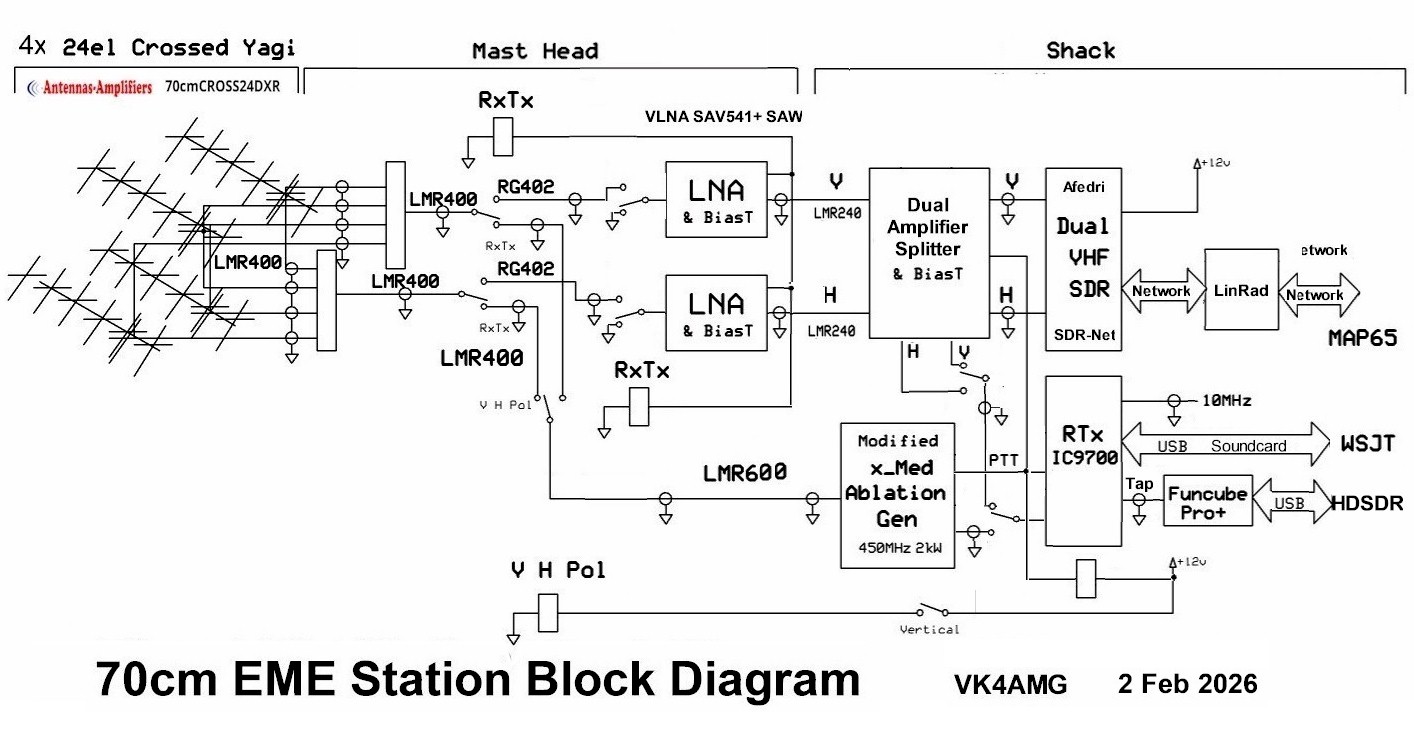 VK4AMG 70 cm Station Block Diagram
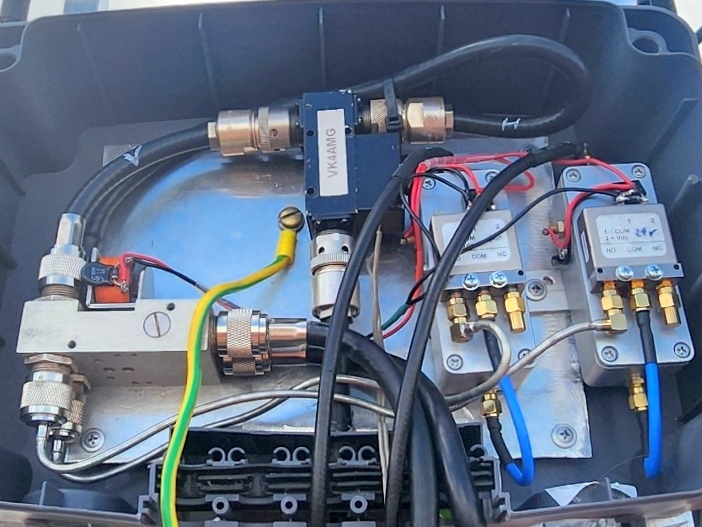 VK4AMG Antenna Masthead Relay and Preamplifier Assembly
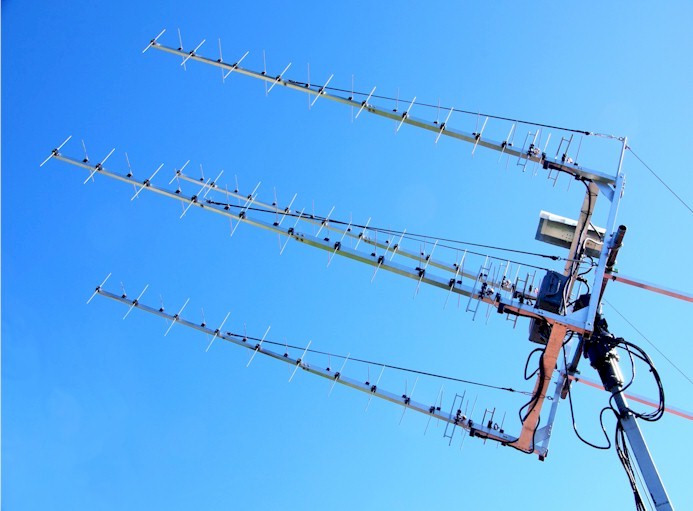 VK4AMG 70 cm EME Antenna
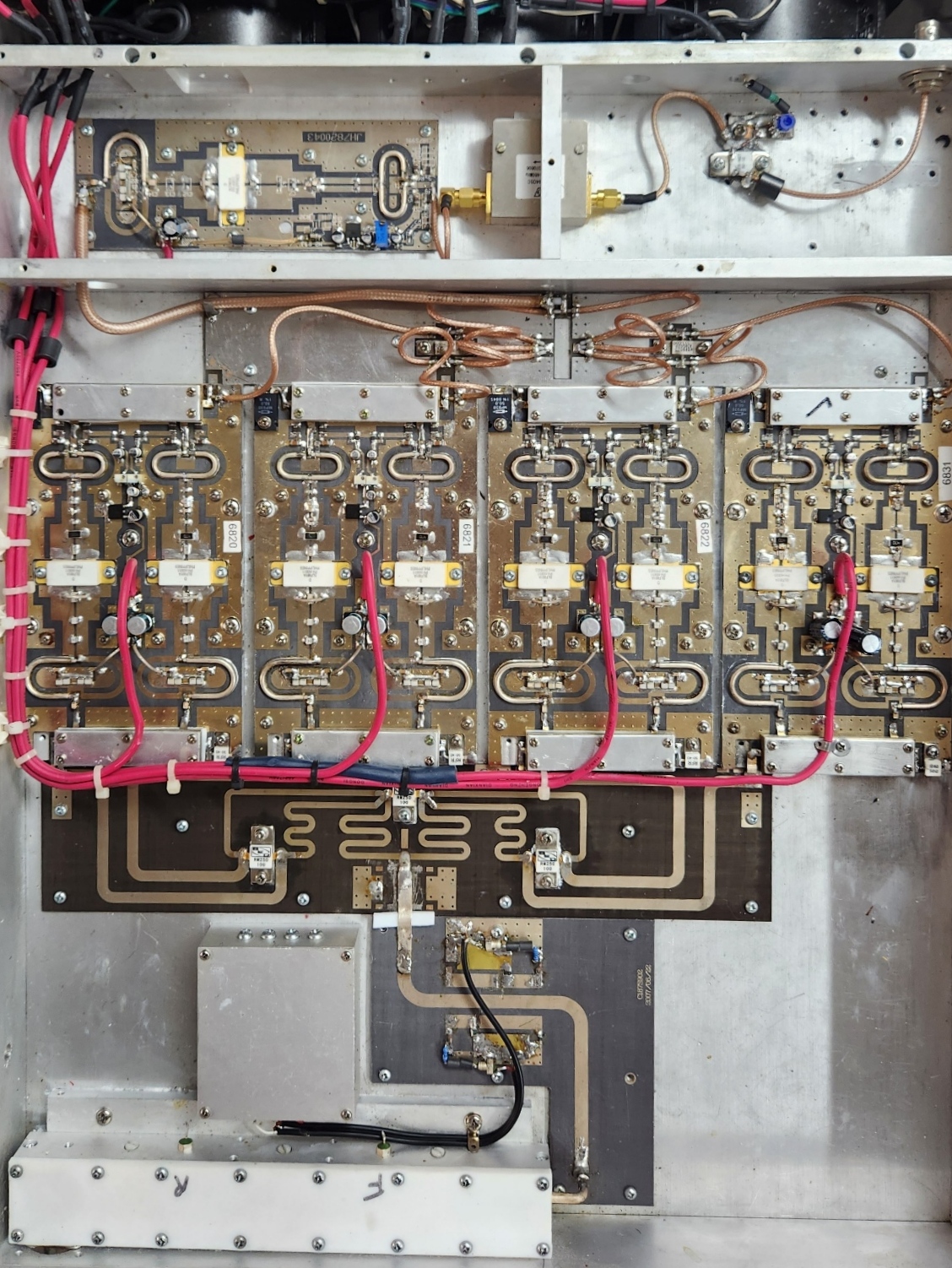 VK4AMG SSPA Internal View
W5ZN Joel
It's pleasing to be back on 432 EME after the repair of my amplifier. During the February reporting period in the DUBUS-REF 432 MHz CW contest I worked DL9KR, UA3PTW, KL6M, and WD5AGO. I also worked VE4MA for a new initial and grid on 432. I am available most anytime for skeds for those who need Arkansas or grid EM45.
432 EME equipment is an Icom IC-9700 with Bodnar GPS, Lunar Link LA-70B amplifier and WD5AGO preamp. Antenna array is 8xFO25H.
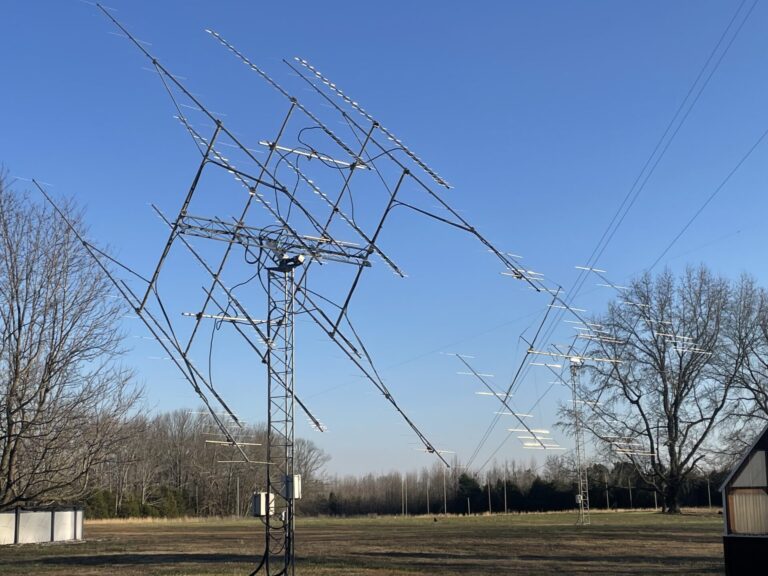 W5ZN 432 8x25 el Middle of 2 m Array with 4x8 6 m in background
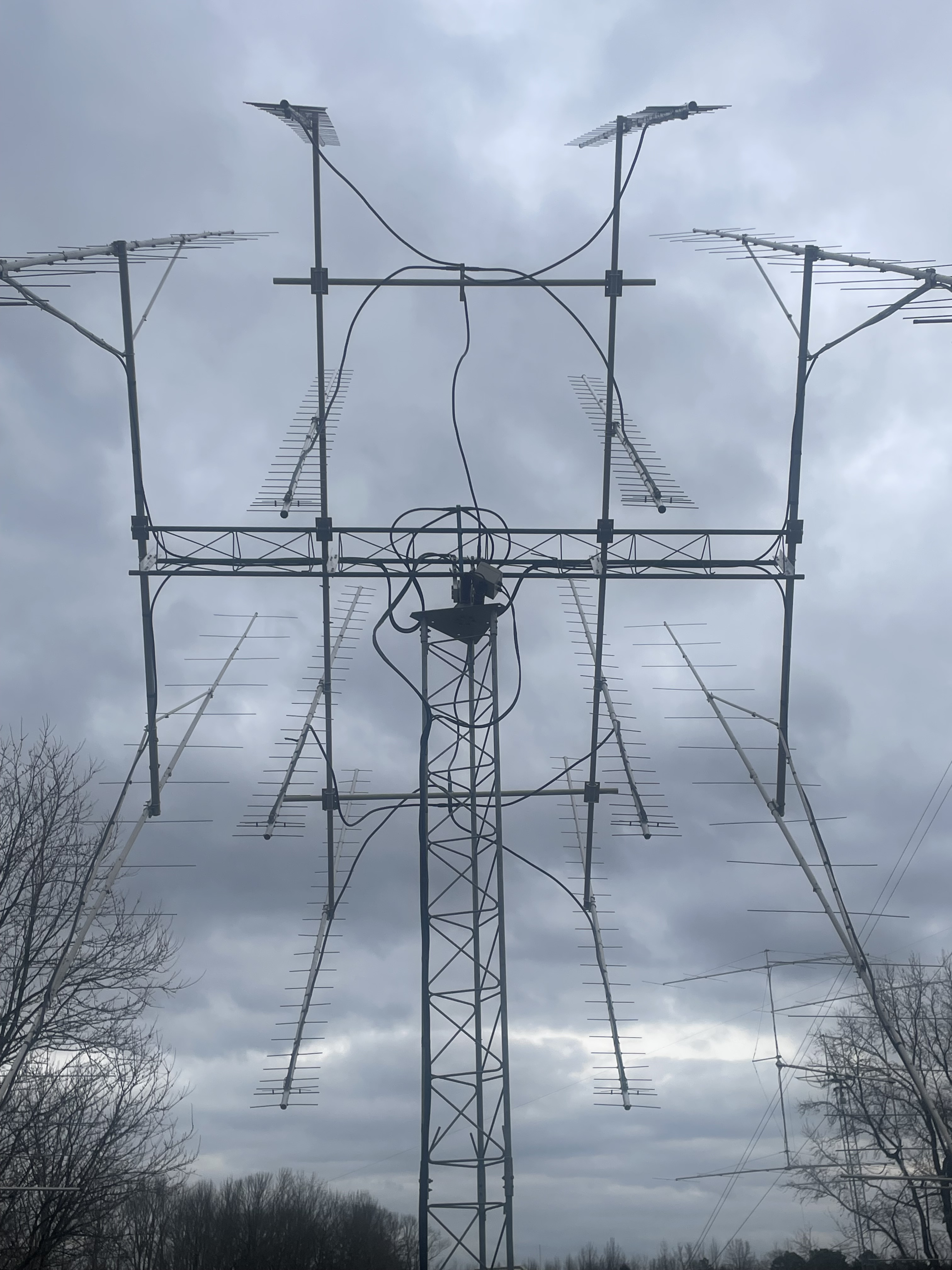 W5ZN 432 8X25 el in middle of 2 m Array
WA6KBL Jeffrey
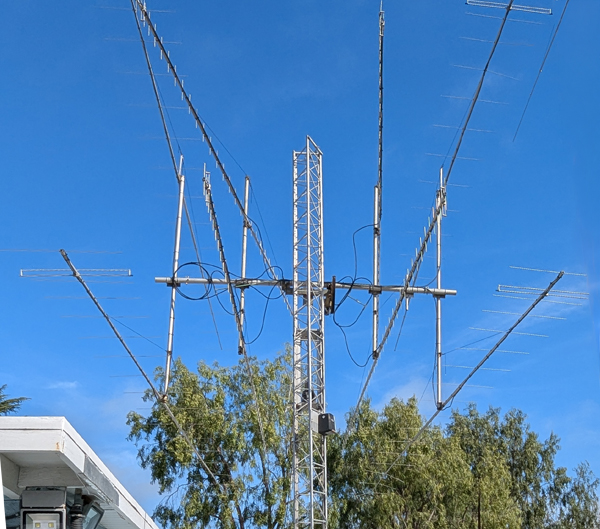
I am not able to use these antennas in my location because the local digital repeaters and computer noise are covering the lower end of the 2 m band and the nearby air force OTH radar forces us to use milliwatts below 440 MHz. I really want someone to buy these items and use them for ham radio rather than scrapping them. Offer what you can and be willing to pay for shipping (or you can pick up everything).
I am willing to disassemble the beams and mechanical parts including vertical and horizontal booms so they can be shipped or picked up.
I built a dual band EME array consisting of 4 M2 144 MHz antennas and also 4 M2 43 2MHz antennas, all very long booms. With the help of Mike Staal I designed and built a very heavy duty dual band frame to hold these. The four 2 m antennas are model 2M5WL and these are mounted on the outer vertical heavy duty aluminum booms and they are horizontal polarization.
The four 70 cm antennas are model 432M13WL mounted as vertical polarization so they have minimal interaction with the 2 m antennas. The four 70 cm antennas are mounted on the two inside vertical super heavy duty fiberglass booms. The fiberglass prevents interference with the RF pattern of the vertically polarized 70 cm antennas.
There are M2 high power combiners for both of the bands. They are using type N connectors.
The Elevation rotator is the M2 MT-3000A which was Mike Staal's masterpiece. It is actually capable of supporting and rotating 16 antennas. I modified the control box so it is using precision temperature stabilized voltage sources.
Please write to me directly at
 WA6KBL VHF UHF EME antennas
WA6PY Paul
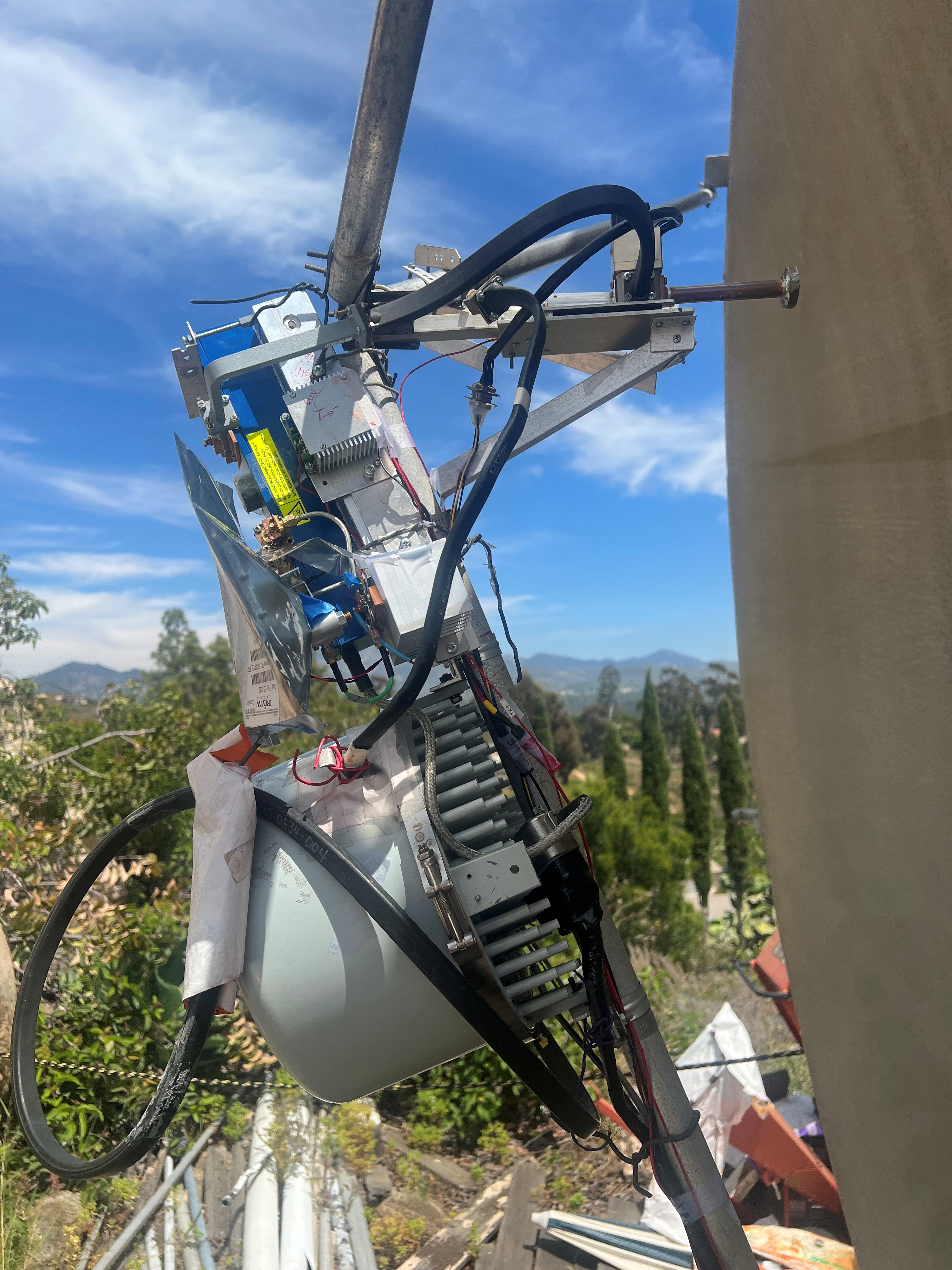
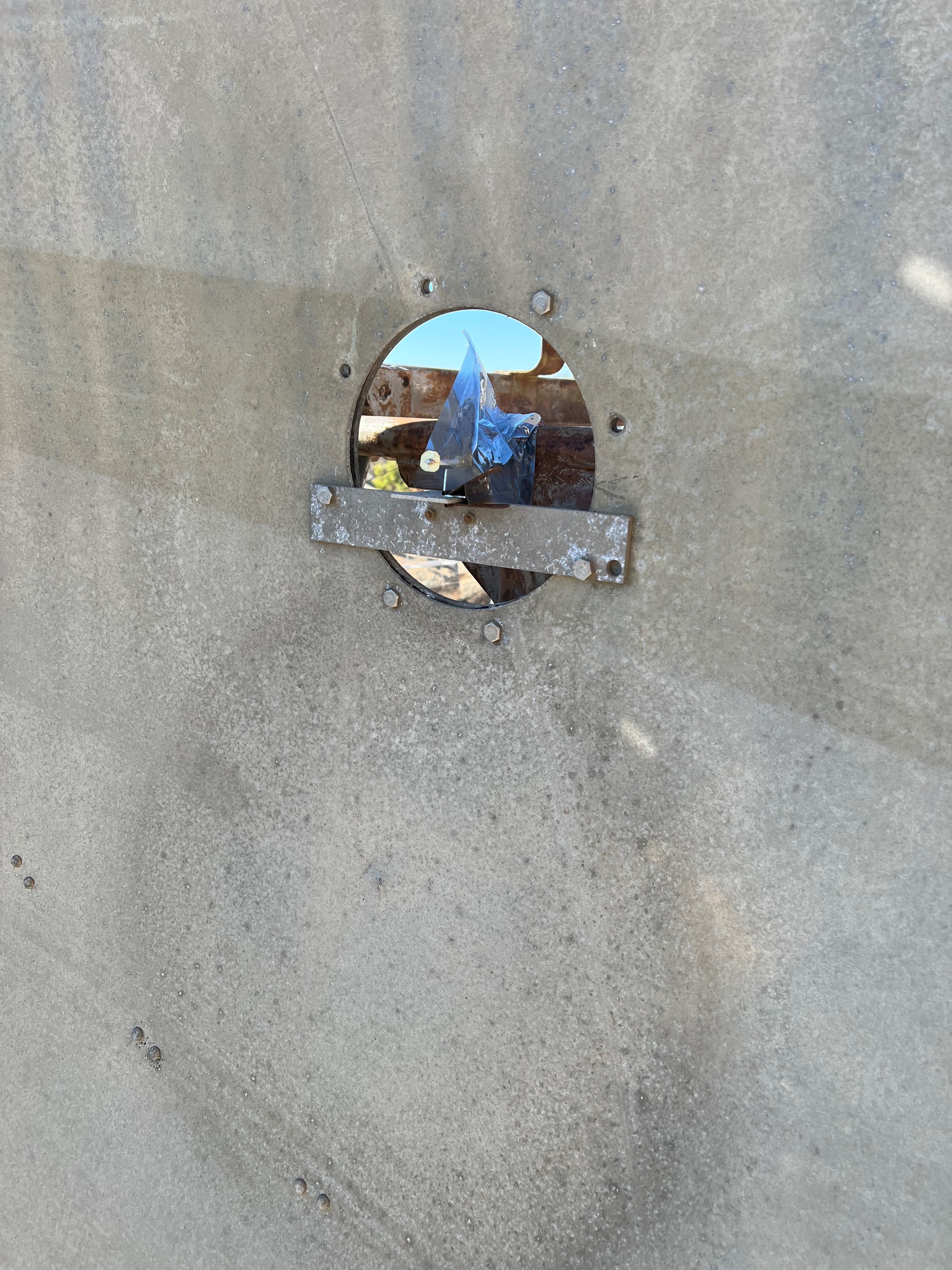
I was QRV on 432on Jan 31, 2026 in the DUBUS EU EME Contest and QSO'd DL9KR, UA3PTW and VE6TA. Next day we had a very nice CW QSO on 24 GHz with VE4MA. Our first QSO on 30 Nov 2021 was during much higher libration and signals on both ends were very weak. At that time I had about 18 W out.
Later I removed WR42 directional coupler from TWT output in order to minimize loss and currently I monitor radiated power using a diode detector with an amplifier at the center of the dish. Now I am using RW1127 with 28-30 W out, DU3T KLNA which has NF lower than mine by about 0.35 dB.
I plan to be QRV in the Contest on Feb 28 to both windows - eastern and western.
 WA6PY 24 GHz RW1127 setup
 WA6PY Dish Mounted 24 GHz Radiated Power Detector
4Z5LV Alex
This is the state of my 13 cm EME system
1. Parabolic dish + azimuth elevation mechanic + azimuth/elevation controls are repaired, installed, tested and it seems to work as it was in my previous 23 cm EME.
2. For TX I am planning to use my QO-100 144 MHz / 2400 MHz TX only transverter which puts out ~1 W of RF power, to drive a Spectrian PA.
3. For RX I assembled and tested on the lab table a setup that uses Minicircuits mixer + LO from the TX transverter. I get from this setup ~2.5 / 3 dB noise figure, and I expect that with a G4DDK LNA it should be enough.
The RX parts need to be installed into a case. But mechanical work is the easiest part.
4. What I need to finish:
4.1 I need to invent how to install the OK1DFC septum feed in the dish focus, and install it on the dish.
4.2 After that will need to fine tune the feed when it is installed on the dish
5. I have one unit from Spectrian PA, it should give me ~70 W power, but it was never tested and I don't know if it is OK or Not.
There is a lot of mechanical work to do (case, heatsink) and then electrical testing.
Due to the fact that at the present moment I can do something related to HAM radio only on weekends (and no weekends left till activity days), so I do not think I can finish the setup in time for the 28 Feb.-1 Mar. activity days. At best I probably can only listen during the activity days, but even this is not for sure.
I will inform the community when I will be ready to schedule a 13 cm EME QSO.
I am wondering, what are the calling frequencies where most EU stations make 13cm EME QSOs? [Mostly from 2320.080 to .120 and 2400- 2400.100. some European countries have 2304 as well. Peter G3LTF]
As you can see my EME setup will be QRP on an EME scale :-)). I hope this will allow me to have some EME QSO.
The 13 cm HAM band in Israel is:
2320-2340 MHz (15 w max limit)
2400-2402 MHz (100 w max limit)
2402-2450 MHz (0.1 w limit, satellites only)